If you’ve ever been in a building when the fire alarm goes off, you’ve probably had a split second of panic: do I know the nearest exit? Am I going to get out fast enough? What I don’t usually think about is the stuff that’s running through the walls and ceiling, powering the lights and the fire alarm itself. That stuff is cables, and what those cables are covered with isn’t just a random plastic jacket—it’s the difference between a manageable evacuation and a disaster. For anyone in the cable game, I see this all the time: customers come to me asking for standard PVC cables because they’re cheap, but when I tell them about LSZH cable compounds, the lightbulb usually clicks on. Let’s break this down, because it’s not just a fancy acronym—it’s life-saving stuff, and as someone who’s been supplying LSZH compounds for over a decade now, I’ve seen way too many close calls that make this matter more than any bottom line. LSZH Cable Compounds
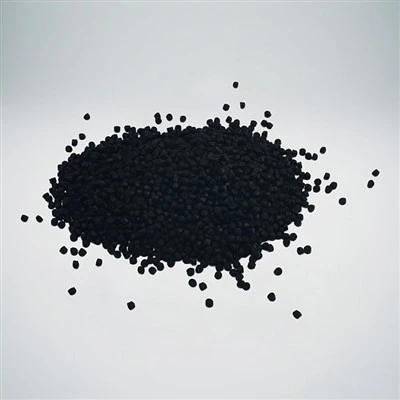
First off, let’s get the acronym out of the way so we’re all on the same page: LSZH stands for Low Smoke Zero Halogen. It’s exactly what it sounds like, but let’s unpack that because “zero halogen” doesn’t mean there’s zero of every single halogen on the periodic table—it means negligible amounts, like less than 0.1% in most formulations, way below what you’d find in old-school PVC. That stuff matters because when cables burn, they don’t just produce flames—they produce fumes. A lot of people think fire kills you from the flames, and yeah, that’s part of it, but the CDC says more than 50% of fire-related deaths are from smoke inhalation. I’ve heard that from fire marshals I’ve worked with, and it stuck with me: if you can see more than 10 feet in a burning room, the smoke is already bad enough to mess up your lungs, and toxic fumes make that way worse.
Let’s compare LSZH to what people usually used before: PVC. I still see PVC everywhere, especially in older office buildings and cheap construction projects. When PVC burns, it releases hydrogen chloride, which is super acidic. If you breathe that in, it burns your throat and lungs so bad you can’t even call for help, let alone run out. I remember a call a few years back from a facilities manager who had a small electrical fire in their server room. The cables were old PVC, and by the time the first responder got there, two of their techs were already in the hospital with chemical burns from inhaling that acid fume. No one was hurt by the flames—just the poison coming off the cables. That’s the kind of story that makes me push LSZH as hard as I do.
Then there’s the smoke part. LSZH compounds don’t just cut down on toxic fumes—they cut down on how much smoke gets produced. PVC burns super dirty; when it does, you get that thick, black, oily smoke that chokes out a room in seconds. I’ve tested this myself in the small burn chambers we use at our lab (don’t worry, it’s compliant, no open-air burning here). PVC cable jackets will fill a test chamber in under 30 seconds with smoke so dense you can’t see your hand in front of your face. LSZH? It’s almost like a thin white mist—you can see across the whole chamber 2 minutes later, no problem. For evacuation, that’s huge. If you’re in a dark stairwell or a hallway with low emergency lighting, thick smoke means you can’t follow the exit signs, you trip, you get separated from the person next to you. LSZH keeps the path clear. That’s not overstating it—studies from the National Fire Protection Association (NFPA) have linked reduced smoke density from LSZH materials to 30% faster evacuation times in high-rise buildings. For anyone who’s ever tried to get out of a crowded building, 30% faster is the difference between making it out and not.
Wait, but let’s address the big pushback I get: “LSZH is too expensive.” Yeah, it costs a little more upfront, but let’s do the math. I’ve had customers tell me PVC is 20 cents cheaper per meter, but what’s the cost when there’s a fire? The facilities manager I mentioned earlier spent $50k on medical bills, lost server time, repairs—way more than the extra cost of switching all their cables to LSZH. Then there’s insurance: many insurance companies now give 10-15% discounts on building insurance if all wiring is LSZH, because the fire risk is lower. On top of that, building codes are changing fast. The UK already mandated LSZH for all public buildings in 2015, and here in the US, states like California and New York are phasing in LSZH requirements for schools, hospitals, and high-rises. You can’t ignore this anymore; switching now avoids retrofitting costs down the line. I had a client in Chicago who tried to hold out with PVC in a new hospital build last year, and when the city inspector showed up, they had to yank out 2 miles of cables and redo them with LSZH. Cost them $120k extra, all because they tried to save a few bucks upfront. That’s the kind of mistake I help customers avoid.
Another thing people don’t talk about: LSZH compounds work better in other fire scenarios too, not just big building fires. Think about transport: trains, planes, buses. If you’re on a cross-country train and there’s a fire in the electrical system, you’re trapped in a small space with no easy exit. LSZH cables mean you don’t have to worry about fumes that can make passengers pass out mid-evac. Same with ships—maritime regulations now require LSZH for all wiring because enclosed spaces = zero room for error. I supply a lot of compounds to marine cable manufacturers, and their specs are super strict: the fume density has to be below a certain number, and the toxicity rating has to meet IMO (International Maritime Organization) standards. There’s no cutting corners there, and that’s exactly the bar LSZH hits.
Let’s also clear up a myth: LSZH isn’t just for big, fancy buildings. It works for residential stuff too, especially if you have kids or elderly family at home. A lot of home electrical fires start from frayed wires behind a TV or a dryer, and if those wires are coated in LSZH, the smoke is so much less intense that you have time to grab kids and pets and get out. I know someone whose home had a small electrical fire in their attic last year—they had LSZH speaker wires running to their TV, and the smoke in the living room was barely enough to set off the alarm, not enough to make them run for their lives. If it had been PVC, they might not have smelled the fumes until it was too late. That’s the real world, not just lab numbers.
Now, how do I as a supplier make this easy? I don’t just send you a bag of LSZH powder and say good luck. We work with cable manufacturers to tailor the compound to their specific needs: whether they need it for low-voltage home cables, high-voltage industrial cables, marine grade, whatever. Our lab team will run tests with their extrusion lines, adjust the formulation to make sure it’s flexible enough for their production, meets their tensile strength and fire resistance requirements, all without jacking up the price more than necessary. We also provide full documentation for code compliance—stuff that’s needed for building permits, insurance forms, inspection reports. I’ve had customers tell me before, “I don’t have time to deal with testing,” so we handle all that. That’s the value of working with a real supplier that knows the space, not just a middleman selling cheap generic compounds.
Wait, one more point I always bring up: zero halogen doesn’t mean zero flame retardant. A lot of people think if it’s zero halogen, it’ll burn faster, but that’s not true. LSZH compounds are formulated with other flame retardants, like magnesium hydroxide or aluminum trihydrate, that don’t release toxic fumes when they break down. These compounds actually work really well at stopping fire spread—when exposed to heat, they release water vapor that cools the material down and slows burning, instead of releasing poison. I’ve done side-by-side fire tests for clients: same cable thickness, same load, one PVC, one LSZH. The PVC cable was fully engulfed in flames in 12 seconds; the LSZH cable barely charred, stopped burning on its own once the heat source was removed. That’s tangible, real-world performance that beats PVC hands down.
Let’s circle back to why this all matters, because at the end of the day, this isn’t about selling compounds—it’s about keeping people alive. I’ve spent 12 years in this industry, and I’ve seen what happens when cheap, toxic cables are the first line of defense in a fire. I’ve seen a firefighter describe how thick black smoke made it impossible to rescue a family from a apartment that burned because the PVC cables fueled the flames and the fumes. I’ve also seen a school in Toronto where a small electrical fire was contained quickly because all the classroom wiring was LSZH, and no students or staff got hurt. Those two stories stick with me, and that’s why I don’t just talk about LSZH as a product—I talk about it as a safety solution.
If you’re a cable manufacturer, a construction manager, a facilities planner, or anyone who buys wiring for buildings or transport, I get that switching can feel like a hassle. But it’s not as complicated as it sounds, and the payoff is way bigger than any short-term cost savings. We don’t do one-size-fits-all here—we’ll talk through your project, your specs, your budget, and find the right LSZH compound that works for you, no fine print, no hidden fees.
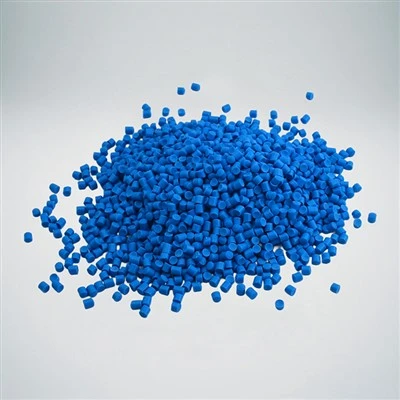
If you’re ready to stop compromising on safety and start working with a supplier that’s actually invested in your project’s success, reach out to us. We’re here to answer questions, share test data, help with compliance, whatever you need. Because when it comes to fire safety, there’s no such thing as over-prepared, and the right cable compound could be the difference between a safe evacuation and a tragedy.
Anti-Rodent Anti-Termite Masterbatches References
National Fire Protection Association (NFPA) – Fire Loss in the United States
International Maritime Organization (IMO) – Fire Safety Test Standards for Marine Materials
US Consumer Product Safety Commission (CPSC) – Toxic Fume Risks in Structural Fires
Opta New Materials (Jiangsu) Co., Ltd.
As one of the most professional LSZH cable compounds manufacturers and suppliers in China, we also support customized service. We warmly welcome you to buy bulk durable LSZH cable compounds from our factory. If you have any enquiry about free sample, please feel free to email us.
Address: No.80, Jingang Avenue, Zhenjiang New Area, Zhenjiang City, Jiangsu Province, China.
E-mail: le.yin@optachem.com
WebSite: https://www.optanewmaterials.com/
