Hey there! I’m a supplier of floor pads, and today I wanna chat about what the flexibility of a floor pad really means. Floor Pads
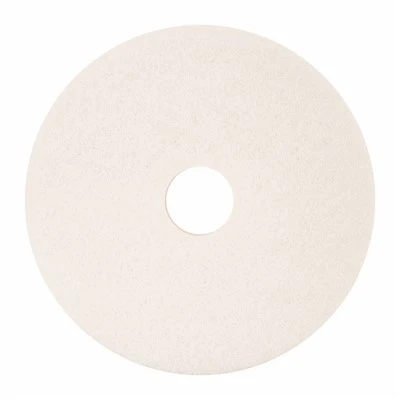
First off, let’s start simple. Flexibility in a floor pad refers to how easily it can bend, stretch, and adapt to different surfaces and cleaning situations. It’s not just some fancy – sounding feature; it’s a crucial factor that can make or break the performance of a floor pad.
When it comes to different floor types, you’ve got a whole range of surfaces out there. There are smooth, polished floors like those in fancy office lobbies or high – end retail stores. These floors need a pad that can conform to their flat surface, reaching into every nook and cranny to pick up dirt and grime. A flexible floor pad can do just that. It hugs the floor, making it easier to clean without leaving any streaks or missed spots.
On the other hand, you’ve also got uneven floors. Think old warehouses or industrial spaces where the floor might have bumps, dents, or small cracks. A rigid floor pad is gonna struggle big time on these surfaces. It won’t be able to reach the dirt in those low – lying areas or around the edges of the bumps. But a flexible pad? It can bend and flex around these irregularities, getting into all those hard – to – reach places and providing a thorough clean.
Let’s talk about the materials that affect a floor pad’s flexibility. One common material is microfiber. Microfiber pads are super flexible. The fine fibers can bend and twist easily, allowing the pad to conform to different shapes. They’re also great at picking up dirt because the fibers create a lot of surface area. When you’re using a microfiber floor pad on a floor with a bit of texture, the flexibility allows the fibers to get deep into the texture and grab hold of the dirt particles.
Another material is foam. Foam pads come in various densities, and that affects their flexibility. A soft – density foam pad is very flexible. It can compress and expand as you’re cleaning, adapting well to different floor contours. It’s especially useful for delicate floors because it can apply pressure evenly without scratching.
Now, the flexibility also matters in terms of how you use the floor pad. For example, if you’re mopping in a small, tight corner, a flexible pad can bend and turn to fit the space. You don’t have to struggle with a rigid pad trying to maneuver it into a small area. And when you’re using a floor pad with a machine, the flexibility helps the pad move smoothly across the floor. It doesn’t get caught on the edges or get stuck in one spot.
In addition to cleaning, flexibility can also play a role in the lifespan of the floor pad. A flexible pad is less likely to tear or break when it encounters obstacles on the floor. If it hits a small piece of debris or a raised area, it can flex around it instead of getting damaged. This means you can use the pad for longer periods, which is not only good for your wallet but also better for the environment since you’re not throwing away pads as often.
But how do you know if a floor pad has good flexibility? Well, there are a few things you can look for. First, give it a little bend by hand. If it bends easily without cracking or breaking, that’s a good sign. Second, check the product description. Reputable suppliers will usually mention the flexibility and the materials used. You can also look at reviews from other customers. If they talk about how well the pad conforms to different surfaces, that’s a strong indication of its flexibility.
As a floor pad supplier, I’ve seen firsthand how important flexibility is. I’ve had customers come to me complaining about other pads that were too rigid. They couldn’t clean their floors properly, and they were constantly having to replace the pads because they would tear easily. But when they switched to our flexible floor pads, they were amazed at the difference. The cleaning was more efficient, and the pads lasted longer.
We offer a wide range of floor pads with different levels of flexibility to suit various needs. Whether you’re cleaning a small home floor or a large commercial space, we’ve got a pad that will work for you. Our microfiber pads are perfect for general cleaning on all sorts of floors, and our foam pads are great for those delicate or uneven surfaces.
If you’re in the market for floor pads, I highly recommend considering flexibility as a key factor. It can make your cleaning jobs so much easier and more effective. And if you’re interested in our products, I’d love to have a chat with you. Reach out to me and we can discuss which floor pads would be the best fit for your specific cleaning requirements. We can talk about the type of floors you have, the dirt and debris you’re dealing with, and how often you need to clean. Together, we can find the perfect flexible floor pads for your needs.
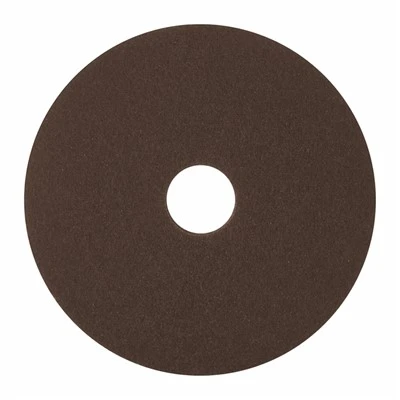
In conclusion, the flexibility of a floor pad is not something to overlook. It impacts the cleaning performance, the lifespan of the pad, and your overall cleaning experience. So, the next time you’re looking to buy floor pads, don’t just focus on the price or the look; think about how well it can bend and adapt to the job at hand.
Floor Pads References:
- Cleaning industry trade magazines and journals on floor pad technology and materials.
- Customer feedback and case studies on floor pad usage and performance.
Guangzhou YION New Material Technology Co., Ltd.
As one of the most professional floor pads manufacturers and suppliers in China, we offer a wide range of products with superior quality. Please feel free to buy customized floor pads made in China here from our factory. Also, quotation is available.
Address: Room 110, Building 2, No. 2 Jinhuan Street, Nansha District, Guangzhou City, Guangdong Province, China.
E-mail: info@yiontech.cn
WebSite: https://www.yionpads.com/
