If you’ve ever stood in your kitchen at 7 a.m., dumpling wrappers spread across the counter like thin, pale paper, and stared at a jar of dried Asian mushrooms tucked in your pantry, wondering “Can I actually use these instead of fresh ones?” as a supplier of these very mushrooms, I get it. I’ve fielded this question a hundred times from home cooks, small café owners, and even line cooks who’ve burned through their fresh shiitake at 9 p.m. and had nothing else to add to their pork chive filling. The short answer is yes—totally. The longer answer? It’s not just “yes” if you toss them in water and call it a day. There’s a method to unlocking their deep, umami-rich flavor, and as someone who’s been sourcing and drying these mushrooms for over a decade, I’m here to walk you through why dried Asian mushrooms are actually a secret weapon for dumpling fillings, how to prep them right, and why they might even be better than fresh in some cases. Dried Asian Mushrooms
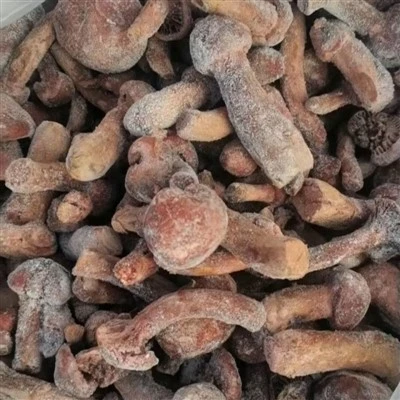
First, let’s talk about what makes dried Asian mushrooms different from the fresh ones you grab at the grocery store. When we dry mushrooms (think shiitake, oyster, wood ear, or even king trumpet, all staples in dumpling recipes), we’re not just removing water—we’re concentrating their flavor. Fresh shiitake has a mild, earthy note, but when it’s dried, that earthiness amplifies into something almost meaty, with a subtle nutty undercurrent that’s hard to replicate. I remember a customer who owned a tiny dim sum shop in Chicago, Maria, coming to me three years ago saying she’d switched to our dried shiitake after her regular supplier’s fresh batch tasted “like wet cardboard.” She told me her customers started asking if she’d started using “special secret mushrooms” because the dumplings had a depth she couldn’t get from fresh. That’s the power of drying: it locks in the compounds that give mushrooms their umami—specifically, glutamate and guanylate, two umami compounds that work together to make flavor taste richer. When you rehydrate them properly, those compounds don’t leach out—they infuse every bite of your dumpling filling.
But here’s the thing: a lot of people mess up the rehydration step, and that’s why they think dried mushrooms are a no-go. I’ve seen home cooks toss dried shiitake into cold water for 10 minutes and then chop them up, only to end up with tough, chewy bits that ruin the texture of their dumplings. Or they oversoak them in hot water, turning the water murky and then dumping that water because they think it’s gritty—big mistake. That cloudy, mushroom-infused water? It’s liquid gold for dumplings. Let’s break down the right way to prep dried Asian mushrooms for dumplings, because it’s not complicated, but it’s crucial.
First, pick your mushroom type wisely. For most dumpling fillings, shiitake is the go-to. It’s firm enough to hold its shape after rehydration, has that iconic umami, and doesn’t get mushy when mixed with other ingredients like ground pork, chives, or cabbage. If you’re making vegetarian dumplings, wood ear adds a nice crunchy texture, and dried oyster mushrooms work well for a meaty, mild note. King trumpet is another favorite for heartier fillings, like pork and shrimp. I always advise customers to avoid powdered dried mushrooms for fillings—whole or sliced dried mushrooms give you texture, which is key for a good dumpling.
Next, the rehydration process. Here’s the step I learned early on, when I was still working in my parents’ small mushroom drying business in Guangdong: don’t use boiling water. Boiling water cooks the mushroom’s cells, making them tough instead of plump. Instead, use warm (not hot) water—around 100 to 110 degrees Fahrenheit, which is the temperature of a freshly drawn cup of tap water in most homes. Put the dried mushrooms in a bowl, cover them with the warm water, and add a tiny pinch of salt. Salt helps break down the cell walls a little, making the mushrooms rehydrate faster and absorb more flavor. For small shiitakes, 20 minutes is enough; larger ones or wood ear might need 30. You’ll know they’re ready when you can squeeze them gently and they feel soft, not rigid.
Then, don’t pour out that soaking water. After removing the mushrooms, strain the soaking water through a fine-mesh sieve lined with cheesecloth or a coffee filter to catch any dirt or grit. That water is packed with umami—way more than you’d get from adding soy sauce or stock. When mixing your dumpling filling, instead of adding plain water to keep it moist (which a lot of recipes tell you to do to prevent dry dumplings), use the strained mushroom water. It will make the filling taste richer, and you won’t end up with watery dumplings that burst when you steam or pan-fry them. I once had a home cook tell me she used to make dumplings that were always too dry, until she started using our shiitake soaking water. She said her husband asked if she’d started adding “secret store-bought seasoning” to her cooking. It’s that simple.
Now, what about texture? The biggest complaint I hear about dried mushrooms in dumplings is that they’re chewy or rubbery. That’s almost always from two mistakes: not rehydrating them long enough, or not squeezing out excess water before chopping. After you take the mushrooms out of the soaking water, give each one a gentle squeeze—you want to remove most of the excess water, but not so much that they’re dry. Then, chop them finely, but not into a paste. You want small, distinct pieces that you can taste in each dumpling bite, not mush mixed in. If you’re using wood ear, make sure to trim the tough, dark stem before chopping—those stems are the only part of the mushroom that’s chewy and unpleasant.
Wait a second—what about safety? I know some people worry about dried mushrooms being old or having bacteria. Let’s get scientific here: drying mushrooms at the right temperature (we dry ours at 120 degrees Fahrenheit for 12 hours, which is a standard for food-grade dried produce) removes all the moisture, which prevents bacterial growth. The moisture content of our dried mushrooms is under 10%, which is the threshold for food safety for dried fungi. So as long as you store them in an airtight container in a cool, dark place (away from direct sunlight and humidity), they can last up to a year. No spoilage, no food safety issues—they’re actually a shelf-stable alternative to fresh mushrooms, which only last a week or two in the fridge. I often tell customers who don’t cook often that keeping a bag of dried Asian mushrooms is like having a flavor boost on hand for any recipe, including dumplings, when you need to add something extra without a trip to the grocery store.
But is there a case where fresh is better? Sure, if you’re making a light soup where you want the mushroom to be a subtle element, or if you’re grilling mushrooms for a side dish. But for dumplings? Dried is often superior. Let’s think about flavor concentration: when fresh mushrooms are 90% water, dried mushrooms are 10% water, so each bite has 9x the umami (roughly, it’s a 1:10 ratio when rehydrating). That means your dumplings don’t need as much soy sauce or salt, which is a win for people watching their sodium intake. Also, fresh mushrooms can have a “green” taste if they’re not perfectly ripe, but dried mushrooms have a consistent, deep umami that’s the same every time, no matter the season. I source our mushrooms from small family farms in China that use traditional drying methods—no preservatives, no additives, just air-drying followed by a low-temperature dehydrate to lock in flavor. That consistency is why so many dumpling chefs rely on us for their supply.
Let me share a quick recipe that uses dried Asian mushrooms, so you can see how easy it is. It’s a classic pork and shiitake dumpling filling, using our dried shiitake. Here’s what you do: take 8 dried shiitakes, soak them in warm water for 25 minutes, strain and chop them finely, reserving ¼ cup of the soaking water. In a bowl, mix 1 pound of ground pork (80/20 fat ratio, for moisture), 2 cloves of minced garlic, 1 tablespoon of grated ginger, ½ cup of chopped chives, the chopped shiitakes, 1 tablespoon of soy sauce, 1 teaspoon of sesame oil, and the reserved mushroom soaking water. Mix everything together in one direction (that’s a trick to make the filling sticky, so it stays in the dumpling wrapper) for 2 minutes. Then, wrap 1 tablespoon of filling in each dumpling wrapper, seal with water, and steam for 10 minutes or pan-fry for 3 minutes on each side until crispy. I’ve had customers tell me this filling is better than any they’ve had from restaurants, and it all starts with the dried shiitake.
Now, I know some people are still skeptical. I get it—if you’ve only ever used fresh mushrooms, switching to dried feels like a risk. But I’ve been in this business long enough to see the difference it makes. Last year, a group of home cooks in Portland told me they’d started a dumpling night group, and every single one of them was using our dried mushrooms now. They said it made their dumpling night “feel like a fancy restaurant treat without the fancy price tag.” That’s the thing about dried Asian mushrooms: they’re accessible, affordable, and they elevate a simple pork and cabbage dumpling into something memorable.
If you’re someone who’s tried using dried mushrooms before and it turned out wrong, don’t give up. It’s not the mushrooms—it’s the prep. Follow the steps I outlined: warm water, enough time to rehydrate, squeeze out excess, use the soaking water. That’s all it takes. And if you’re a dumpling maker, whether you’re a home cook making dumplings for your family or a small business owner looking to improve your filling, don’t sleep on dried Asian mushrooms.
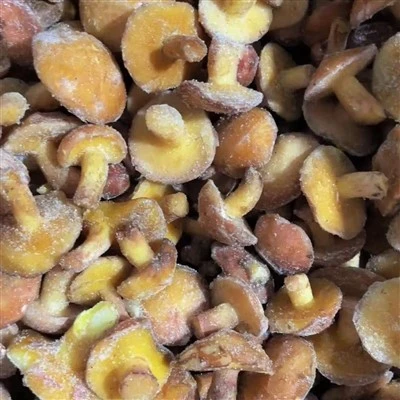
If you’re ready to stock up on dried Asian mushrooms for your dumpling recipes, or have questions about prep, feel free to reach out to discuss your needs directly. We offer a range of dried Asian mushrooms tailored for culinary use, including bulk quantities for restaurants and small batches for home cooks, all sourced from family farms with quality and flavor as our top priorities.
Dried Edible Fungi References
- Food and Agriculture Organization of the United Nations. (2020). Drying of Mushrooms: A Guide for Small-Scale Producers. FAO Agricultural and Food Engineering Technical Report.
- Zhang, Y., et al. (2018). Umami compounds in dried shiitake mushrooms (Lentinus edodes) and their synergy in food flavor. Journal of Food Science and Technology, 55(12), 4912-4920.
- U.S. Department of Agriculture. (2021). Food Safety Guidelines for Dried Fungi. USDA Food Safety and Inspection Service.
- Lee, S., et al. (2019). Texture analysis of rehydrated Asian mushrooms and their application in dumpling fillings. Journal of Culinary Science and Technology, 17(3), 289-302.
Qingyuan Manchu Autonomous County Lichang Native Produce Co., Ltd.
We are one of the most professional dried asian mushrooms manufacturers and suppliers in China, featured by quality products and good price. Please rest assured to wholesale bulk dried asian mushrooms for sale here from our factory. Welcome to view our website for more information.
Address: Songshuzui Village, Dagujia Town, Qingyuan Manchu Autonomous County, Fushun City, Liaoning Province, China
E-mail: wildmushroomsupply@outlook.com
WebSite: https://www.wildmushroomsupply.com/
