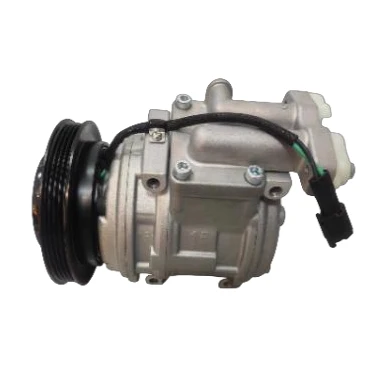
As a seasoned vendor specializing in high – performance automotive compressors, I understand the critical importance of proper refrigerant recharging. The automotive compressor is the heart of the vehicle’s air – conditioning system, and recharging its refrigerant is a task that requires meticulous attention to safety. In this blog, I’ll share some essential safety precautions to take when recharging the automotive compressor refrigerant. Automotive Compressor
Understanding the Basics of Refrigerant
Before delving into safety precautions, it’s crucial to understand what automotive refrigerant is. Refrigerants are substances used in the air – conditioning system to absorb and release heat. Commonly used refrigerants include R – 134a and R – 1234yf. These substances are not only effective in heat transfer but also have environmental implications. For instance, R – 134a has a relatively high global warming potential, while R – 1234yf is more environmentally friendly.
Personal Protective Equipment (PPE)
One of the first and most fundamental safety steps is to wear appropriate personal protective equipment. When handling automotive refrigerant, you should always wear safety goggles. Refrigerant can cause severe eye irritation and even permanent damage if it comes into contact with your eyes. The high – pressure release of refrigerant can also send small particles flying, which can be extremely dangerous to the eyes.
Gloves are another essential piece of PPE. Choose gloves made of materials that are resistant to refrigerant chemicals. Nitrile gloves are a popular choice as they offer good protection against chemical exposure. They prevent the refrigerant from coming into contact with your skin, which can cause frostbite due to the rapid evaporation of the refrigerant.
A respirator is also necessary in some cases. Some refrigerants can be harmful if inhaled. For example, in a confined space, the vapor of the refrigerant can displace oxygen, leading to asphyxiation. A respirator with the appropriate filters can protect you from inhaling harmful refrigerant gases.
Working Environment
The working environment plays a significant role in ensuring safety during refrigerant recharging. First, make sure you are working in a well – ventilated area. Adequate ventilation helps to disperse any refrigerant vapors that may be released during the recharging process. If you are working indoors, open windows and doors or use exhaust fans to improve air circulation.
Avoid working near open flames or sources of ignition. Refrigerants are often flammable or can support combustion under certain conditions. Even a small spark can cause an explosion or fire, putting you and your surroundings at risk.
Keep the work area clean and organized. Remove any unnecessary tools or debris that could pose a tripping hazard. A cluttered work area can lead to accidents, especially when you are handling high – pressure equipment.
Handling Refrigerant Containers
Refrigerant containers are under high pressure, so it’s essential to handle them with care. Always store refrigerant containers in an upright position. Storing them horizontally or upside – down can lead to leaks and other problems. Check the containers regularly for signs of damage, such as dents, cracks, or corrosion. If you notice any damage, do not use the container and dispose of it properly according to local regulations.
When connecting the refrigerant container to the recharging equipment, make sure the connections are tight. A loose connection can result in refrigerant leaks, which are not only dangerous but also a waste of the refrigerant. Use a proper wrenche to tighten the connections, but be careful not to over – tighten them as this can damage the container or the equipment.
Equipment Inspection
Before starting the recharging process, thoroughly inspect all the equipment. This includes the recharging machine, gauges, hoses, and other accessories. Check the hoses for any signs of wear, such as cracks or fraying. A damaged hose can leak refrigerant, which can be hazardous.
Inspect the gauges to ensure they are working accurately. Incorrect gauge readings can lead to over – or under – charging of the refrigerant, which can damage the compressor and other components of the air – conditioning system.
Make sure the recharging machine is in good working order. Test it before use to ensure that it can handle the pressure and flow rate required for the recharging process.
Charge the Correct Amount of Refrigerant
Over – charging or under – charging the refrigerant can cause significant problems. Over – charging can lead to increased pressure in the system, which can damage the compressor, hoses, and other components. It can also reduce the efficiency of the air – conditioning system and cause the compressor to overheat.
Under – charging, on the other hand, can result in poor cooling performance. The compressor may have to work harder to cool the air, which can lead to premature wear and tear.
Refer to the vehicle manufacturer’s specifications to determine the correct amount of refrigerant for the specific automotive compressor. Use a measuring device to ensure that you are adding the right amount of refrigerant to the system.
Post – Recharging Checks
After recharging the refrigerant, conduct a thorough check of the entire system. Check for any signs of leaks using a refrigerant leak detector. Even a small leak can lead to a loss of refrigerant over time, which can affect the performance of the air – conditioning system and increase the risk of safety hazards.
Inspect all the connections and hoses again to make sure they are still tight. Check the gauges to ensure that the pressure in the system is within the normal range.
Start the vehicle’s engine and turn on the air – conditioning system. Listen for any unusual noises coming from the compressor or other components. Unusual noises can indicate a problem, such as a misaligned belt or a damaged compressor.
Disposal of Refrigerant
Proper disposal of refrigerant is a critical safety and environmental concern. Never release refrigerant into the atmosphere. Refrigerants can contribute to ozone depletion and global warming. Instead, use a refrigerant recovery machine to extract the old refrigerant from the system.
Once the refrigerant has been recovered, it should be stored in approved containers. Many areas have regulations regarding the disposal of recovered refrigerant. Contact your local environmental agency or a recycling facility to find out the proper way to dispose of the refrigerant.
Conclusion
Recharging the automotive compressor refrigerant is a task that requires a high level of safety awareness. By following these safety precautions, you can protect yourself, your equipment, and the environment. At our company, we are committed to providing high – quality automotive compressors and promoting safe practices in the automotive industry.
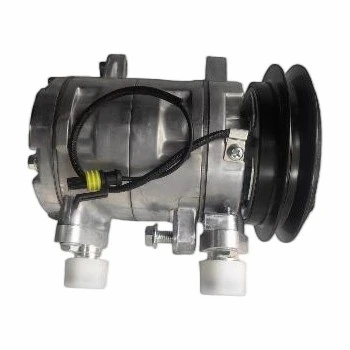
If you are interested in purchasing our automotive compressors or have any questions about refrigerant recharging or our products, I encourage you to reach out to our sales team. We are here to provide you with the best possible solutions for your automotive needs. Let’s work together to ensure a safe and efficient automotive experience.
Construction Compressor References:
- Automotive Service Excellence (ASE) materials
- Various vehicle manufacturer technical manuals
- Guidelines from environmental protection agencies
Jiangsu Nuoyan New Energy Vehicle Air Conditioning Co., Ltd.
With abundant experience, we are one of the most professional automotive compressor manufacturers and suppliers in China. We warmly welcome you to buy customized automotive compressor at competitive price from our factory. Also, quotation is available.
Address: No. 7 Xingyuan Road, Huangqiao Economic Development Zone, Taixing City, Jiangsu
E-mail: nuyantech2026@163.com
WebSite: https://www.nuyantech.com/
