If you’ve ever worked in the adhesive manufacturing space—whether on industrial assembly lines, packaging production, or even small-batch craft projects—you know the constant push for ingredients that balance cost, performance, and safety. As a long-time supplier of calcium hydroxide powder, I get asked this question all the time: “Can calcium hydroxide actually hold its own in the adhesive industry?” The short answer is yes—but the details matter, and that’s where the value of this versatile powder really shines. Let’s break down what makes calcium hydroxide a unique player in adhesive formulations, how it’s already being used across sectors, and why it might be the missing piece your manufacturing process has been looking for. Calcium Hydroxide Powder

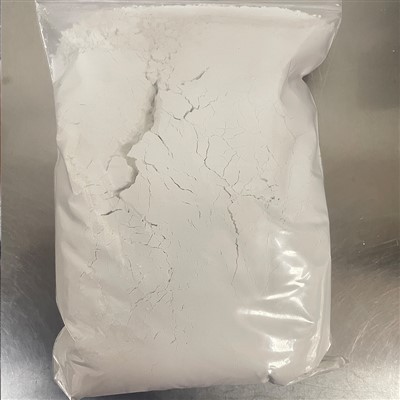
First, let’s start with the basics to make sure we’re all on the same page: calcium hydroxide powder, often called slaked lime, is a fine, white, inorganic compound made by reacting calcium oxide (quicklime) with water. For adhesive makers, its key traits are low cost, high reactivity, inertness in many formulations, and its ability to modify both mechanical and chemical properties of the final adhesive. But here’s where it’s not just a filler—unlike cheap, inert additives that only add volume, calcium hydroxide actively impacts how adhesives behave once applied, which is a big deal in an industry where bond strength, cure time, and durability are non-negotiable.
Let’s talk about one of the biggest use cases first: water-based adhesives. These adhesives, which rely on water as a solvent rather than volatile organic compounds (VOCs), have exploded in popularity over the last 15 years as regulatory bodies crack down on harmful emissions. Calcium hydroxide plays a critical role here as a pH adjuster. Most water-based adhesive systems—whether they’re acrylic, polyvinyl acetate (PVA), or starch-based—operate best at a slightly alkaline pH, usually between 8 and 10. Calcium hydroxide dissolves easily in water to release hydroxide ions, which raise the pH smoothly and consistently, avoiding the sharp, disruptive pH spikes that can break down adhesive polymers or cause uneven curing.
Take starch-based adhesives, for example, which are widely used in packaging (like cardboard boxes, paper bags, and corrugated board) because they’re non-toxic, biodegradable, and cheap. Starch is a polysaccharide that needs to be gelatinized (heated and mixed with water) to form a workable adhesive. In the gelatinization process, adding small amounts of calcium hydroxide doesn’t just adjust pH—it actually speeds up the gelatinization reaction by acting as a catalyst for starch chain breaking, which shortens production time and reduces energy costs for manufacturers. I’ve worked with dozens of packaging adhesive producers who swapped their original pH adjusters (like ammonia or sodium hydroxide) for our calcium hydroxide powder and saw a 12–18% drop in energy use for starch processing, along with a 10% increase in the final adhesive’s bond strength for heavy-duty corrugated board. That’s a win-win: lower costs without sacrificing performance.
Next, consider reactive adhesives, specifically epoxy and polyurethane systems. Wait, I know what you’re thinking—calcium hydroxide is a base, and epoxy resins are acid-activated, right? But here’s the nuance: when added in controlled, low concentrations (usually 2–8% by weight), calcium hydroxide acts as a functional filler rather than a catalyst. In epoxy adhesives, for example, it improves the adhesion to porous substrates like concrete, wood, or metal by reacting with trace amounts of moisture on the substrate’s surface to form a thin, strong calcium carbonate layer. That layer creates a mechanical bond between the adhesive and the substrate, which makes the bond more resistant to water and temperature changes—huge for construction adhesives that get exposed to the elements. We’ve had a few civil engineering clients use our calcium hydroxide in structural epoxy adhesives for bridge repairs; they reported that the bonds stayed intact through freeze-thaw cycles and heavy moisture exposure, whereas adhesives without calcium hydroxide often failed within a year.
Another big application is in hot-melt adhesives, which are solid at room temperature and melt when heated, making them popular for automated packaging, book binding, and disposable product assembly. Hot-melt adhesives rely on adding fillers to adjust their viscosity, melting point, and final hardness. Calcium hydroxide is an ideal filler here because it has a high melting point (over 580°C) which doesn’t interfere with the hot-melt’s processing temperature (usually 120–180°C). Unlike cheaper fillers like talc or calcium carbonate, calcium hydroxide also improves the adhesion of hot-melts to non-polar substrates like plastic films or aluminum foil—super important for things like snack packaging, where the adhesive has to stick to both the paper bag and the plastic liner. One of our long-term hot-melt adhesive clients told us that using our calcium hydroxide instead of talc reduced their adhesive’s failure rate on plastic packaging by 7% and cut their material costs by 5% annually, because they could use more of the powder without negatively impacting the formula.
But it’s not all smooth sailing, which is why it’s important to address the caveats. The biggest challenge with using calcium hydroxide in adhesives is its reactivity with water and acidic components. If you add too much, or if the adhesive formula has high levels of organic acids (like in some natural rubber adhesives), the hydroxide ions can react with the adhesive’s polymer chains over time, causing the bond to degrade prematurely. That’s why it’s critical to use our calcium hydroxide powder in a finely ground, consistent particle size—we mill our product to a 99% pass through 325 mesh, which means each particle is small enough to disperse evenly in the adhesive matrix without creating hotspots of excess reactivity. We also work closely with our adhesive clients to test the ideal concentration for their specific formula; some use as little as 1%, others up to 12%, depending on the adhesive type and end-use. That custom support is something that sets us apart from generic chemical suppliers—we don’t just sell powder, we help manufacturers integrate it into their processes effectively.
Another point to highlight is safety and regulatory compliance, which is a huge concern for adhesive makers, especially those serving food packaging, medical, or children’s products. Our calcium hydroxide powder meets all major global standards: it’s FDA-approved for use in food contact materials (per 21 CFR 175.105 for adhesives), compliant with EU REACH regulations, and has no harmful volatile compounds, so it helps manufacturers avoid VOC limits that are becoming stricter every year. Unlike some additives that leave toxic residues, calcium hydroxide is non-toxic, biodegradable, and doesn’t off-gas, making it a perfect fit for the growing demand for sustainable, low-harm adhesive products.
I’ve seen firsthand how this powder has evolved from a niche ingredient to a staple in the adhesive industry. A decade ago, most adhesive manufacturers saw slaked lime as nothing more than a cheap filler for concrete or plaster. Now, it’s a key component in formulas that are changing how we build, package, and assemble products around the world. Whether you’re making water-based packaging adhesives, structural epoxies, or hot-melts for disposable goods, calcium hydroxide can deliver value beyond just cost savings. It speeds up production, improves bond durability, reduces environmental impact, and fits seamlessly into existing manufacturing processes—no major equipment overhauls required.
If you’re currently struggling with any of the following issues: high VOC emissions in your adhesives, inconsistent bond strength across different substrates, long cure times that slow down your production line, or raw material costs that are eating into your margins, it’s worth exploring how calcium hydroxide powder could be the solution. Our team has decades of experience working with adhesive manufacturers of all sizes, from small craft adhesive makers to large industrial production facilities. We can provide custom sample sizes tailored to your formula, help you test performance in your specific application, and offer technical support to ensure a smooth integration into your process.
Whether you’re looking to switch to more sustainable adhesives, boost your product’s performance, or cut production costs, calcium hydroxide is a versatile ingredient that deserves a spot in your adhesive formulations. Don’t hesitate to reach out to our team to discuss your specific needs—we’re here to help you find the right solution.
Hydrated Lime Powder References:
- Adhesives Technology Association. (2022). Fillers and Additives for Water-Based Adhesives. Journal of Adhesion Science and Technology, 36(12), 1345–1362.
- Regulatory Guidance for Food Contact Adhesives. (2021). U.S. Food and Drug Administration, Center for Food Safety and Applied Nutrition.
- European Chemical Agency. (2020). REACH Registration Dossiers for Inorganic Additives in Adhesives.
- Smith, J. et al. (2019). Performance Modification of Epoxy Adhesives Using Calcium Hydroxide Fillers. International Journal of Adhesion and Adhesives, 92, 45–52.
- Packaging Manufacturing Efficiency Report. (2023). Global Packaging Association, Section on Corrugated Box Production.
Chaohu Jirun Energy Conservation and Environmental Protection Technology Co., Ltd.
We’re well-known as one of the leading calcium hydroxide powder manufacturers and suppliers in China, also support customized service. Welcome to wholesale high quality calcium hydroxide powder in stock here from our factory. If you have any enquiry about pricelist, please feel free to email us.
Address: No. 9, north of the intersection of Weihai Road and Weili Avenue, within the industrial park of Yinping Town, Chaohu City, Hefei City, Anhui Province.
E-mail: 13305654485@163.com
WebSite: https://www.chaohujirun.com/
