Hey there! I’m a supplier of rectangular steel pipes, and I’ve seen firsthand how crucial it is to pick the right welding method for these pipes. In this blog, I’ll share some tips on how to make that choice, based on my years of experience in the industry. Rectangular Steel Pipe

First off, let’s talk about why choosing the right welding method matters. Rectangular steel pipes are used in a wide range of applications, from construction to manufacturing. The quality of the weld can have a big impact on the performance and durability of the final product. A bad weld can lead to leaks, structural failures, and other issues that can be costly to fix. So, taking the time to choose the right welding method is definitely worth it.
Now, let’s dive into the different welding methods available for rectangular steel pipes. There are several options to choose from, each with its own advantages and disadvantages.
1. Shielded Metal Arc Welding (SMAW)
SMAW, also known as stick welding, is one of the oldest and most widely used welding methods. It’s a relatively simple process that involves using a consumable electrode coated in flux. The flux creates a shield around the weld, protecting it from contaminants in the air.
Advantages:
- It’s a versatile method that can be used in a variety of environments, including outdoors.
- The equipment is relatively inexpensive and easy to set up.
- It can be used to weld thick steel pipes.
Disadvantages:
- The welding speed is relatively slow compared to other methods.
- The quality of the weld can be affected by the skill of the welder.
- It produces a lot of slag, which needs to be removed after welding.
2. Gas Metal Arc Welding (GMAW)
GMAW, also known as MIG (Metal Inert Gas) welding, is a popular choice for welding rectangular steel pipes. It uses a continuous wire electrode and a shielding gas to protect the weld from oxidation.
Advantages:
- It’s a fast and efficient welding method.
- The weld quality is generally high, with a smooth finish.
- It can be used to weld a variety of thicknesses of steel pipes.
Disadvantages:
- The equipment is more expensive than SMAW.
- It requires a shielding gas, which adds to the cost.
- It’s not suitable for outdoor use in windy conditions.
3. Gas Tungsten Arc Welding (GTAW)
GTAW, also known as TIG (Tungsten Inert Gas) welding, is a precise and high-quality welding method. It uses a non-consumable tungsten electrode and a shielding gas to protect the weld.
Advantages:
- It produces high-quality, clean welds with excellent penetration.
- It can be used to weld thin steel pipes without warping.
- It’s suitable for welding a variety of metals, including stainless steel.
Disadvantages:
- It’s a slow and labor-intensive process.
- The equipment is more expensive than SMAW and GMAW.
- It requires a high level of skill and experience to operate.
4. Flux-Cored Arc Welding (FCAW)
FCAW is a variation of GMAW that uses a tubular wire electrode filled with flux. The flux provides the shielding gas, eliminating the need for an external gas supply.
Advantages:
- It’s a fast and efficient welding method.
- It can be used in outdoor environments without the need for a shielding gas.
- It can be used to weld thick steel pipes.
Disadvantages:
- The weld quality may not be as high as GMAW or GTAW.
- It produces more spatter than other methods.
- The flux can be messy and difficult to clean up.
So, how do you choose the right welding method for your rectangular steel pipes? Here are some factors to consider:
1. Thickness of the Steel Pipe
The thickness of the steel pipe is an important factor to consider when choosing a welding method. For thin pipes, GTAW or GMAW may be the best choice, as they can provide precise and clean welds without warping the pipe. For thicker pipes, SMAW or FCAW may be more suitable, as they can provide deeper penetration.
2. Welding Position
The welding position can also affect the choice of welding method. For example, if you need to weld in a vertical or overhead position, SMAW or FCAW may be easier to use than GMAW or GTAW.
3. Weld Quality Requirements
The quality requirements of the weld will also play a role in the choice of welding method. If you need a high-quality, clean weld, GTAW may be the best choice. If you’re looking for a fast and efficient weld, GMAW or FCAW may be more suitable.
4. Cost
The cost of the welding equipment and materials is another important factor to consider. SMAW is generally the least expensive method, while GTAW is the most expensive. You’ll need to balance the cost with the quality and efficiency of the welding method.
5. Skill Level of the Welder
The skill level of the welder is also an important factor to consider. Some welding methods, such as GTAW, require a high level of skill and experience to operate. If you don’t have a skilled welder on staff, you may want to choose a simpler method, such as SMAW or GMAW.
In conclusion, choosing the right welding method for rectangular steel pipes is a crucial decision that can have a big impact on the quality and performance of the final product. By considering the factors discussed in this blog, you can make an informed decision and choose the method that’s best for your specific needs.
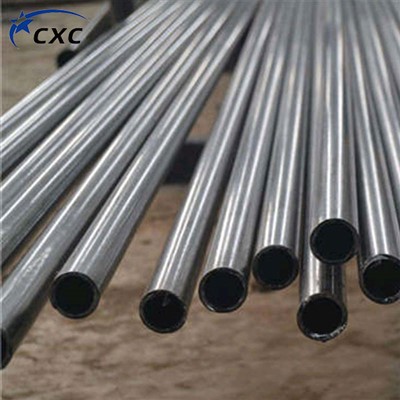
If you’re in the market for rectangular steel pipes or have any questions about welding methods, don’t hesitate to reach out. We’re here to help you find the right solutions for your projects. Let’s start a conversation and see how we can work together!
Zinc Aluminum Magnesium Steel Pipe References:
- Welding Handbook, American Welding Society
- Welding Technology, John R. Walker
Wuxi Chengxingchuang Metal Products Co., Ltd.
As one of the most professional rectangular steel pipe manufacturers and suppliers in China, we’re featured by quality products and good price. Please rest assured to buy cheap rectangular steel pipe for sale here from our factory. Customized orders are welcome.
Address: No. 8-2, Zhoujia Lane, Liangxi District, Wuxi City, Jiangsu Province, China
E-mail: 13961862735@163.com
WebSite: https://www.cxcsteeltube.com/
