As a reputable provider of water purification and other equipment, I’ve witnessed firsthand the intricate interplay between water purification systems and water that contains iron. Iron is a common constituent in water sources across the globe, and its presence can pose several challenges. However, with the right water purification equipment, these challenges can be effectively addressed. Water Purification and Other Equipment

The Nature of Iron in Water
Iron exists in water in different forms, primarily ferrous (Fe²⁺) and ferric (Fe³⁺) iron. Ferrous iron is soluble in water and often goes unnoticed as it doesn’t make the water appear discolored. It can be detected when it oxidizes to ferric iron, which is insoluble and forms a reddish – brown precipitate. This is what causes the characteristic rusty stains on fixtures, laundry, and in pipes.
The sources of iron in water are diverse. It can leach into groundwater from natural deposits of iron – containing rocks and minerals. Industrial activities, such as mining and metal processing, can also contribute to elevated iron levels in water bodies. In some cases, old iron pipes in plumbing systems can be a source of iron contamination as they corrode over time.
Problems Caused by Iron in Water
The presence of iron in water can lead to a multitude of problems. From a domestic perspective, it can ruin the aesthetic appeal of homes. The rusty stains on sinks, bathtubs, and toilets are not only unsightly but can also be difficult to remove. In the laundry, iron – laden water can cause clothes to develop yellow or brownish stains, reducing their lifespan and appearance.
On a more technical level, iron can cause significant damage to plumbing systems. The insoluble ferric iron can accumulate in pipes, reducing their internal diameter and leading to reduced water flow. Over time, this can cause blockages, increasing the need for costly repairs and replacements. In addition, iron can act as a catalyst for the growth of certain types of bacteria, such as iron bacteria. These bacteria can form a slime – like substance that further clogs pipes and can also produce unpleasant odors.
In industrial settings, iron in water can be even more problematic. It can foul equipment, such as boilers and heat exchangers, reducing their efficiency and increasing energy consumption. In manufacturing processes, iron can contaminate products, affecting their quality and potentially leading to product recalls.
How Water Purification Equipment Handles Iron
Oxidation and Filtration
One of the most common methods used by water purification equipment to remove iron is oxidation followed by filtration. In this process, the first step is to convert the soluble ferrous iron (Fe²⁺) into insoluble ferric iron (Fe³⁺). This can be achieved through several means.
One approach is aeration. By introducing air into the water, the oxygen in the air reacts with the ferrous iron, oxidizing it to ferric iron. Aeration can be accomplished using various devices, such as aeration towers or diffusers. These devices expose a large surface area of water to the air, facilitating the oxidation process.
Another way to achieve oxidation is through the use of chemical oxidants. Chlorine, potassium permanganate, and hydrogen peroxide are commonly used chemical oxidants. These substances react with the ferrous iron in the water, converting it to ferric iron. Once the iron is in its insoluble form, it can be removed through filtration.
Filtration is then used to separate the insoluble ferric iron from the water. Different types of filters can be employed, depending on the specific requirements of the water purification system. Sand filters are a popular choice as they are relatively inexpensive and can effectively trap the iron particles. Activated carbon filters can also be used, as they not only remove iron but can also adsorb other contaminants, such as organic compounds and chlorine.
Ion Exchange
Ion exchange is another method used to remove iron from water. Ion exchange resins are used in this process. These resins are typically made of a polymer matrix with negatively charged functional groups. When water containing iron ions passes through the resin bed, the iron ions are attracted to the negatively charged functional groups on the resin.
The iron ions are then exchanged with other less harmful ions, such as sodium ions. This process effectively removes the iron from the water. However, ion exchange resins have a limited capacity for iron removal, and they need to be regenerated periodically. Regeneration is usually done by flushing the resin bed with a concentrated solution of sodium chloride. This causes the iron ions to be displaced from the resin and replaced with sodium ions, restoring the resin’s capacity for iron removal.
Reverse Osmosis
Reverse osmosis (RO) is a highly effective method for removing iron from water. In a reverse osmosis system, water is forced through a semi – permeable membrane under pressure. The membrane has very small pores that allow water molecules to pass through but block the passage of larger molecules and ions, including iron ions.
RO systems can remove up to 99% of the iron in water, along with other contaminants such as salts, heavy metals, and microorganisms. However, RO systems are more expensive to install and operate compared to other water purification methods. They also require regular maintenance, including the replacement of membranes and filters, to ensure their continued effectiveness.
Choosing the Right Water Purification Equipment for Iron – Containing Water
When choosing water purification equipment for water containing iron, several factors need to be considered. The first is the concentration of iron in the water. If the iron concentration is relatively low, a simple oxidation and filtration system may be sufficient. However, for high – iron waters, more advanced methods such as ion exchange or reverse osmosis may be required.
The form of iron in the water is also important. If the water contains mostly ferrous iron, an oxidation step will be necessary to convert it to ferric iron before filtration. On the other hand, if the water already contains a significant amount of ferric iron, a filtration system may be the primary requirement.
The hardness of the water is another factor to consider. Hard water contains high levels of calcium and magnesium ions, which can interfere with the performance of some water purification equipment. In such cases, a water softener may need to be installed in conjunction with the iron removal system.
Finally, the intended use of the water should be taken into account. For domestic use, a system that effectively removes iron and improves the aesthetic quality of the water may be sufficient. However, for industrial applications, a more comprehensive purification system may be required to meet the strict quality standards.
Our Role as a Water Purification and Other Equipment Supplier
As a leading supplier of water purification and other equipment, we understand the complexities of iron removal from water. We offer a wide range of water purification solutions tailored to the specific needs of our customers. Our team of experts can conduct water analysis to determine the iron concentration and form in the water, as well as other relevant parameters.
Based on the analysis results, we can recommend the most suitable water purification equipment. Whether it’s a simple aeration and filtration system for a small household or a large – scale reverse osmosis system for an industrial facility, we have the expertise and products to meet the requirements.
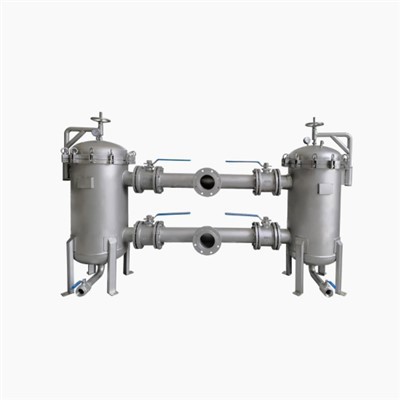
We also provide installation, maintenance, and repair services for our water purification equipment. Our technicians are highly trained and experienced in handling various types of water purification systems. They can ensure that the equipment is installed correctly, operates efficiently, and is maintained in optimal condition.
Specialized Wastewater Treatment Equipment If you are facing problems with iron – containing water, whether in your home or in your business, we are here to help. Our water purification solutions can effectively remove iron and other contaminants, providing you with clean, safe, and high – quality water. Contact us today to discuss your water purification needs and let’s start a conversation about finding the best solution for you.
References
- AWWA (American Water Works Association). “Water Quality and Treatment: A Handbook of Community Water Supplies.”
- Crittenden, J. C., et al. “MWH’s Water Treatment: Principles and Design.”
- WateReuse Research Foundation. “Advanced Treatment Technologies for Water Reuse.”
Shandong Lingke Environmental Technology Co., Ltd.
We’re well-known as one of the leading water purification and other equipment manufacturers and suppliers in China, featured by quality products and good price. Please rest assured to buy durable water purification and other equipment for sale here from our factory. Customized orders are welcome.
Address: 100 Meters South of the Intersection of County Road 042 and National Highway 309, Changle County, Weifang City, Shandong Province
E-mail: aileenlin@sdlingkegroup.com
WebSite: https://www.lkecotech.com/
