Hey there! I’m a supplier of AED and physiotherapy electrode pads, and I’ve been getting a lot of questions about how to clean the AED device after using the electrode pads. So, I thought I’d put together this blog post to share some tips and best practices. AED, Hysiotherapy Electrode Pads
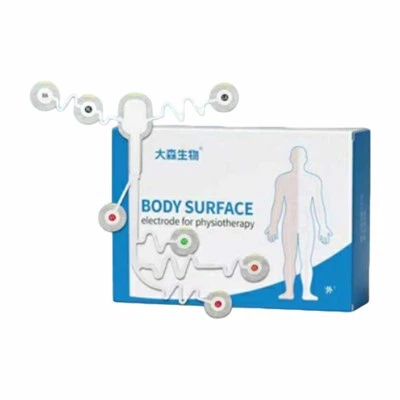
First off, let’s talk about why it’s so important to clean your AED device after each use. You see, AEDs are life – saving devices, and they need to be in top – notch condition at all times. When you use electrode pads on an AED, they can leave behind all sorts of stuff like sweat, body oils, and even a bit of skin residue. If you don’t clean the device properly, these residues can build up over time. This not only makes the device look dirty but can also potentially affect its performance.
Now, let’s get into the step – by – step process of cleaning the AED.
Step 1: Remove the Electrode Pads
As soon as you’re done using the AED, the first thing you should do is carefully remove the electrode pads. You want to do this gently to avoid any damage to the AED’s surface or the connectors. Make sure to dispose of the used electrode pads according to local regulations. In most places, they’re considered medical waste, so you can’t just throw them in the regular trash.
Step 2: Power Off the AED
Before you start cleaning, turn off the AED. This is a safety measure to prevent any electrical issues while you’re handling the device. It also helps to avoid any accidental activation of the AED during the cleaning process.
Step 3: Wipe the Exterior
Get a soft, lint – free cloth. You can dampen it slightly with a mild cleaning solution. I usually recommend using a solution of water and a little bit of mild soap. Avoid using harsh chemicals like bleach or alcohol – based cleaners, as they can damage the AED’s casing and components.
Gently wipe the exterior of the AED, including the buttons, display screen, and the areas where the electrode pads were attached. Make sure to get into all the nooks and crannies, but be careful not to press too hard on the buttons or the screen. If there are any stubborn stains, you can let the damp cloth sit on the stain for a few minutes to loosen it up before wiping.
Step 4: Clean the Electrode Connectors
The electrode connectors are a crucial part of the AED. Over time, they can accumulate dirt and debris, which can affect the connection between the electrode pads and the AED. To clean them, you can use a dry, soft brush. Gently brush the connectors to remove any loose particles. If there’s some stubborn dirt, you can use a cotton swab slightly dampened with the mild cleaning solution to carefully clean the connectors.
Step 5: Dry the AED
After you’ve wiped down the AED, use a dry, clean cloth to dry it thoroughly. Make sure there’s no moisture left on the device, as water can cause corrosion and damage to the internal components. You can also let the AED air – dry for a few minutes in a well – ventilated area.
Step 6: Check the Device
Once the AED is dry, turn it back on and perform a quick self – test if your AED has that feature. This will help you ensure that the device is still functioning properly after the cleaning.
Additional Tips
- Regular Maintenance: Cleaning the AED after each use is great, but it’s also a good idea to do a more thorough maintenance check every few months. This can include checking the battery life, the integrity of the electrode connectors, and the overall condition of the device.
- Keep Records: It’s a good practice to keep a record of when you clean the AED and any maintenance checks you perform. This can be useful for tracking the device’s history and ensuring that it’s always in good working order.
Now, I know you might be thinking, "Where can I get high – quality AEDs and electrode pads?" Well, that’s where I come in! As a supplier of AEDs and physiotherapy electrode pads, I offer a wide range of products that are reliable and affordable. Whether you’re a medical facility, a gym, or just someone who wants to be prepared in case of an emergency, I’ve got you covered.
If you’re interested in purchasing AEDs or electrode pads, or if you have any questions about cleaning or maintenance, don’t hesitate to reach out. I’m always happy to help and provide you with the best products and advice.

In conclusion, cleaning your AED device after using the electrode pads is a simple but crucial step in ensuring its longevity and performance. By following these steps and best practices, you can keep your AED in top shape and be ready to save lives when it matters most.
Medical Die Cutting References:
- American Heart Association Guidelines for Cardiopulmonary Resuscitation and Emergency Cardiovascular Care
- Manufacturer’s instructions for various AED models
Shenzhen Omori Biological Technology Co., Ltd.
We’re well-known as one of the leading AED, hysiotherapy electrode pads manufacturers and suppliers in China. We warmly welcome you to wholesale high quality AED, hysiotherapy electrode pads made in China here from our factory. If you have any enquiry about customized service, please feel free to email us.
Address: Floor4, No43, Langkou Industrial park, Dalang Street, Longhua District, Shenzhen City, Guangdong Province, China
E-mail: wya@omorimed.com
WebSite: https://www.omorimed.com/
