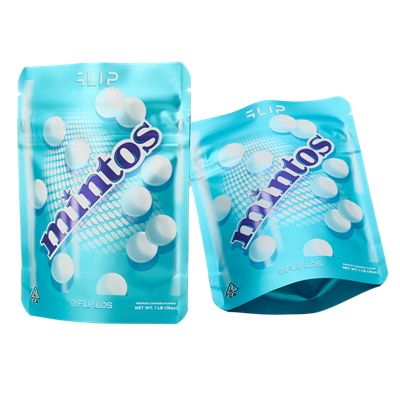
As a supplier in the other packaging segment of the pharmaceutical industry, I understand the pivotal role that packaging plays in ensuring the quality, safety, and efficacy of pharmaceutical products. The considerations for other packaging in this industry are multi – faceted, encompassing regulatory compliance, product protection, user experience, and environmental sustainability. Other Packaging
Regulatory Compliance
One of the most critical considerations in pharmaceutical other packaging is regulatory compliance. Different countries and regions have their own sets of regulations governing pharmaceutical packaging. For instance, in the United States, the Food and Drug Administration (FDA) has strict guidelines on the materials used in packaging, labeling requirements, and child – resistant features.
Materials used in pharmaceutical packaging must be non – toxic and compatible with the drug. They should not leach any harmful substances into the product, which could potentially alter its chemical composition or pose a risk to the patient. For example, if a plastic container is used to package a liquid medication, it must be made from a plastic that is resistant to the chemical properties of the liquid. The FDA also requires that all packaging materials undergo rigorous testing to ensure their safety and suitability for use.
Labeling is another important aspect of regulatory compliance. Labels must provide accurate information about the drug, including its name, dosage, route of administration, side effects, and storage conditions. In addition, for certain medications, there are specific labeling requirements related to warnings and contraindications. For example, drugs that are known to cause drowsiness must have a prominent warning on the label.
Child – resistant packaging is also a regulatory requirement in many countries. This is to prevent accidental ingestion of medications by children. Packaging must be designed in such a way that it is difficult for children to open, but still accessible for adults. There are various types of child – resistant closures, such as push – and – turn caps and blister packs with special designs.
Product Protection
The primary function of pharmaceutical packaging is to protect the product from external factors that could affect its quality and efficacy. These factors include light, moisture, oxygen, and physical damage.
Light can cause degradation of certain drugs, especially those that are photosensitive. For example, some antibiotics and vitamins are sensitive to light and can lose their potency when exposed to sunlight or artificial light for extended periods. To protect these drugs, packaging materials such as opaque bottles or blister packs made of light – blocking materials are used.
Moisture is another enemy of pharmaceutical products. Excessive moisture can cause drugs to dissolve, degrade, or grow mold. Packaging materials must have good moisture – barrier properties. For example, aluminum foil is often used in blister packs because it has excellent moisture – blocking capabilities. Additionally, desiccants can be added to the packaging to absorb any excess moisture.
Oxygen can also react with drugs and cause oxidation, which can lead to a loss of potency. Packaging materials with low oxygen permeability, such as glass or certain types of plastics, are used to protect drugs from oxygen. In some cases, modified atmosphere packaging (MAP) is used, where the air inside the package is replaced with an inert gas, such as nitrogen, to reduce the oxygen content.
Physical damage is also a concern during transportation and storage. Packaging must be strong enough to withstand the rigors of handling. For example, bottles should be made of a material that is resistant to breakage, and cartons should be sturdy enough to protect the contents from being crushed.
User Experience
The user experience is an important consideration in pharmaceutical other packaging. Packaging should be easy to use, especially for patients who may have limited dexterity or visual impairments.
For example, blister packs are a popular form of packaging for tablets and capsules because they are easy to open and provide a clear indication of the dosage. However, the design of the blister pack should be such that it is easy to push out the tablets or capsules. Some blister packs are designed with a perforated edge, which makes it easier to separate individual doses.
Labels should also be easy to read. The font size, color, and contrast should be chosen to ensure that the information is visible, especially for older patients or those with visual problems. In addition, the layout of the label should be clear and organized, with important information such as dosage and warnings prominently displayed.
For liquid medications, the packaging should be designed to facilitate accurate dosing. This may include the use of measuring cups or droppers that are included with the product. The container should also be easy to hold and pour, with a well – designed spout to prevent spills.
Environmental Sustainability
In recent years, there has been a growing emphasis on environmental sustainability in the pharmaceutical industry. Packaging suppliers are under pressure to develop more sustainable packaging solutions.
One approach is to use recyclable materials. For example, many pharmaceutical companies are now using paper – based cartons that are made from recycled materials and are themselves recyclable. Plastic packaging can also be made from recyclable plastics, and efforts are being made to develop more biodegradable plastics for use in pharmaceutical packaging.
Another approach is to reduce the amount of packaging used. This can be achieved through better design and optimization of packaging sizes. For example, using more compact blister packs or eliminating unnecessary layers of packaging can reduce the overall environmental impact.
In addition, some companies are exploring the use of reusable packaging. For example, certain types of containers can be returned to the manufacturer for cleaning and reuse, which reduces waste and the consumption of new materials.
Cost – effectiveness
Cost – effectiveness is also an important consideration in pharmaceutical other packaging. While it is important to meet regulatory requirements and provide high – quality packaging, the cost of packaging should not be so high that it makes the product unaffordable for patients.
Packaging suppliers need to find a balance between using high – quality materials and keeping costs down. This may involve sourcing materials from cost – effective suppliers, optimizing the manufacturing process to reduce waste, and using efficient packaging designs. For example, using standard – sized packaging components can reduce the cost of manufacturing and inventory management.
Innovation and Technology
The pharmaceutical industry is constantly evolving, and so is the field of packaging. New technologies and materials are being developed to improve the performance of pharmaceutical packaging.
For example, smart packaging is an emerging trend in the pharmaceutical industry. Smart packaging can include features such as temperature sensors, time – release indicators, and RFID tags. Temperature sensors can monitor the temperature of the product during transportation and storage, ensuring that it remains within the appropriate range. Time – release indicators can show when a drug has been exposed to the environment for too long, which can affect its efficacy. RFID tags can be used to track the movement of products throughout the supply chain, improving inventory management and reducing the risk of counterfeiting.
Nanotechnology is also being explored for use in pharmaceutical packaging. Nanomaterials can have unique properties, such as enhanced barrier properties and antimicrobial activity. For example, nanocomposite materials can be used to create packaging with better moisture and oxygen – barrier properties, which can extend the shelf life of drugs.
Conclusion
In conclusion, the considerations for other packaging in the pharmaceutical industry are complex and multi – dimensional. Regulatory compliance, product protection, user experience, environmental sustainability, cost – effectiveness, and innovation are all important factors that need to be taken into account.
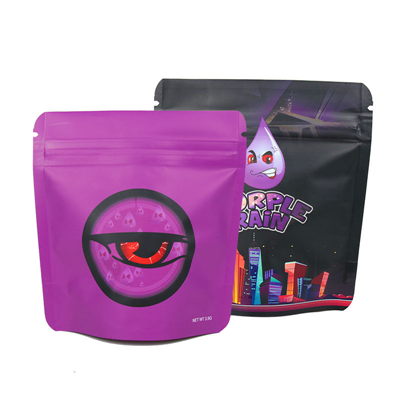
As a supplier in the other packaging segment, I am committed to providing high – quality packaging solutions that meet all of these considerations. Our team of experts is constantly researching and developing new packaging materials and designs to ensure that we stay at the forefront of the industry.
Coffee Bag If you are in the pharmaceutical industry and are looking for a reliable other packaging supplier, I encourage you to reach out to us for a procurement discussion. We can work together to find the best packaging solutions for your products, taking into account all of the important considerations mentioned above.
References
- Food and Drug Administration (FDA). "Guidance for Industry: Container Closure Systems for Packaging Human Drugs and Biologics."
- European Medicines Agency (EMA). "Guidelines on Plastic Immediate Packaging Materials."
- World Health Organization (WHO). "Good Manufacturing Practices for Pharmaceutical Products: Main Principles."
- Packaging Digest. "Sustainable Packaging Trends in the Pharmaceutical Industry."
- Pharmaceutical Technology. "Innovations in Pharmaceutical Packaging."
Shenzhen Hongbang Packaging Production Co., Ltd.
We are one of the most experienced other packaging manufacturers and suppliers in China, specialized in providing high quality custom service. Please feel free to buy bulk other packaging made in China here from our factory. For quotation and free sample, contact us now.
Address: Room 601, BLDG D, Wisdom Centre, No. 58 Nanlian Road, Longgang, Shenzhen China 518116
E-mail: pm@hongbangpack.com
WebSite: https://www.hongbangpack.com/
