In the dynamic landscape of electrical safety, surge protective devices (SPDs) play a pivotal role in safeguarding sensitive equipment from the unpredictable wrath of electrical surges. As a dedicated supplier of T1 15KA Surge Protective Devices, I’ve witnessed firsthand the critical importance of these devices in various industrial and commercial settings. But as we strive for sustainability in all aspects of our operations, a question that often arises is: Can a T1 15KA Surge Protective Device be recycled? In this blog post, we’ll delve into the science behind surge protectors, explore the feasibility of recycling, and discuss the environmental implications of our choices. T1 15KA Surge Protective Device
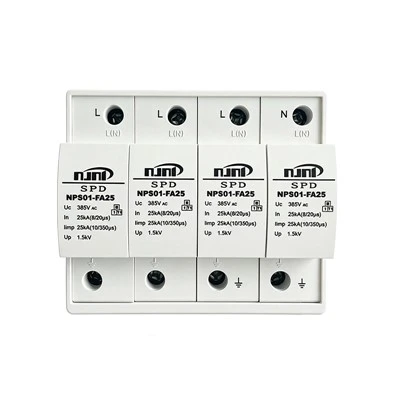
Understanding T1 15KA Surge Protective Devices
Before we can address the question of recycling, it’s essential to understand what a T1 15KA Surge Protective Device is and how it works. Surge protectors are designed to divert excess electrical energy from a surge, such as a lightning strike or a power grid disruption, away from connected equipment. A T1 15KA SPD is specifically rated to handle a high-energy surge current of up to 15 kiloamperes (KA), making it suitable for use in applications where protection against severe surges is required, such as in industrial plants, data centers, and large commercial buildings.
These devices typically consist of several components, including metal oxide varistors (MOVs), which act as the primary surge protection element. MOVs are made of a ceramic material that has a variable resistance depending on the voltage applied. When a surge occurs, the MOV’s resistance decreases, allowing the excess current to flow safely to the ground. Other components may include fuses, circuit breakers, and enclosure materials.
The Feasibility of Recycling T1 15KA Surge Protective Devices
The feasibility of recycling a T1 15KA Surge Protective Device depends on several factors, including the materials used in its construction, the design of the device, and the availability of recycling facilities. Let’s take a closer look at each of these factors.
Materials Used
The primary materials used in T1 15KA SPDs, such as metal oxide varistors, fuses, and enclosure materials, are generally recyclable. Metal oxide varistors contain metals such as zinc, bismuth, and antimony, which can be recovered and reused in the manufacturing of new products. Fuses are typically made of metal, which can also be recycled. Enclosure materials, such as plastic or metal, can be recycled or repurposed, depending on their composition.
Design of the Device
The design of the surge protector can also impact its recyclability. Devices that are designed with modular components are generally easier to disassemble and recycle than those that are designed as a single unit. Modular designs allow for the easy separation of different components, which can then be recycled individually. Additionally, devices that use standardized connectors and fasteners are easier to disassemble and repair, which can extend their lifespan and reduce the need for replacement.
Availability of Recycling Facilities
The availability of recycling facilities is another important factor to consider. While many materials used in surge protectors are recyclable, not all recycling facilities are equipped to handle these materials. In some cases, specialized recycling facilities may be required to process the components of a surge protector. Additionally, the cost of transporting the devices to these facilities can be a significant barrier to recycling.
Environmental Implications of Recycling T1 15KA Surge Protective Devices
Recycling T1 15KA Surge Protective Devices has several environmental benefits. By recovering and reusing the materials used in these devices, we can reduce the demand for virgin materials, conserve natural resources, and minimize the environmental impact of mining and manufacturing. Additionally, recycling can help to reduce the amount of electronic waste that ends up in landfills, where it can release harmful chemicals and pollutants into the environment.
However, it’s important to note that the recycling process itself also has an environmental impact. The transportation of devices to recycling facilities, the energy required to process the materials, and the generation of waste during the recycling process all contribute to the carbon footprint of recycling. Therefore, it’s important to balance the environmental benefits of recycling with the environmental impact of the recycling process itself.
Best Practices for Recycling T1 15KA Surge Protective Devices
As a supplier of T1 15KA Surge Protective Devices, I’m committed to promoting sustainable practices and reducing the environmental impact of our products. Here are some best practices that we recommend for recycling these devices:
Choose Recyclable Products
When selecting a surge protector, look for products that are designed with recyclability in mind. Choose devices that use modular components, standardized connectors, and recyclable materials. Additionally, look for products that are certified by recognized environmental organizations, such as the Electronic Product Environmental Assessment Tool (EPEAT).
Proper Disposal
When a surge protector reaches the end of its lifespan, it’s important to dispose of it properly. Do not throw the device in the trash, as it may contain hazardous materials that can harm the environment. Instead, contact your local recycling facility or electronic waste collection program to find out how to recycle the device safely.
Partner with a Recycling Provider
Consider partnering with a recycling provider that specializes in the recycling of electronic waste. A reputable recycling provider will have the expertise and equipment necessary to recycle your surge protectors safely and efficiently. They will also be able to provide you with documentation of the recycling process, which can help you demonstrate your commitment to sustainability.
Conclusion
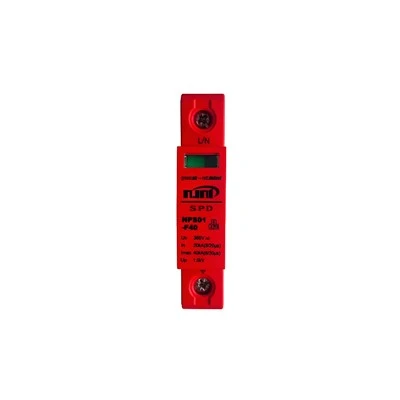
In conclusion, while the recycling of T1 15KA Surge Protective Devices is feasible, it requires careful consideration of several factors, including the materials used, the design of the device, and the availability of recycling facilities. By choosing recyclable products, disposing of them properly, and partnering with a reputable recycling provider, we can reduce the environmental impact of these devices and contribute to a more sustainable future.
T1+T2 12.5KA Surge Protective Device As a trusted supplier of T1 15KA Surge Protective Devices, we are dedicated to providing our customers with high-quality, reliable products that meet their electrical safety needs. If you’re looking for a surge protector that offers superior protection and is designed with recyclability in mind, look no further. Contact us today to learn more about our products and how we can help you protect your valuable equipment.
References
- International Electrotechnical Commission (IEC). (2019). IEC 61643-11:2019 Surge protective devices connected to low-voltage power systems – Part 11: Performance requirements and test methods.
- US Environmental Protection Agency (EPA). (2021). Electronic Waste Management Basics.
- Institute of Electrical and Electronics Engineers (IEEE). (2014). IEEE C62.41.2-2014 IEEE Guide for the Specification of Surge Currents in Low-Voltage (1000 V and Less) AC Power Circuits.
Nanjing Ningpu Lightning Protection Equipment Manufacturing Co., Ltd.
As one of the most professional T1 15ka surge protective device manufacturers and suppliers in China, we’re featured by quality products and good price. Please rest assured to buy customized T1 15ka surge protective device made in China here from our factory. Also, pricelist is available.
Address: Building 1, No.20 Shengyuan Road, Lishui Economic Development Zone, Nanjing City, Jiangsu Province, China
E-mail: 3796023563@qq.com
WebSite: https://www.npspd.com/
