If you’ve ever stood in your kitchen, crumpled up a used piece of aluminum foil, and stared at your recycling bin like, “Wait, can this actually go in here?” — you’re not alone. As an aluminum foil supplier who’s gotten dozens of texts and emails from customers (small cafes, home bakers, event planners, even other packaging brands) asking this exact question, I get it. It’s not a black-and-white answer, and there’s a lot of misinformation floating around online. Let me break this down like I would with a regular chat over coffee — no jargon, no confusing rules, just straight talk about what actually works, what doesn’t, and why it matters. Aluminum Foil
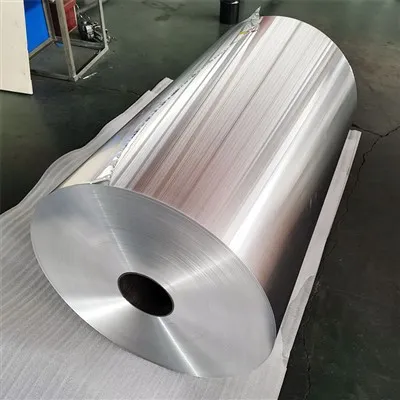
First, let’s get one thing straight: aluminum is infinitely recyclable. Like, the same piece of foil you used to line a baking sheet can be recycled over and over again without losing quality. It doesn’t degrade (that’s a big deal — way better than paper or plastic, which usually only get recycled once or twice before they’re too far gone). But here’s the catch: just because it’s recyclable in theory doesn’t mean it’s always recyclable at your local recycling center. And that’s where most people mess up.
I’ve watched this play out for years. A few months back, a local food truck client of ours told me they were throwing all their used foil in the trash because their waste hauler said it wasn’t accepted. When I asked why, turns out half their foil was caked with leftover grease, cheese, and marinara from their tacos. That’s the secret flaw with aluminum foil recycling: contamination. Even a tiny bit of food residue can mess up an entire batch of recyclables. Recycling facilities run on huge sorting machines — magnetic separators, eddy current systems, even manual picking lines for smaller stuff. If a piece of foil has enough grease or food gunk on it, it doesn’t stick to the magnets or pass through the sorting screens the right way. And one contaminated foil sheet can make an entire bale of aluminum get rejected by smelters, which defeats the whole purpose.
So let’s talk about what’s actually acceptable to recycle, right? First, clean aluminum foil. That’s the easy stuff. If you used foil to cover a pan that only had plain water in it, or wrapped a cold sandwich that didn’t get greasy, wiping off any crumbs or tiny smudges with a paper towel or a quick rinse is enough. We’ve had customers who save their clean foil rolls and ball them up into tennis-ball-sized chunks — it makes them easier to transport, and most centers love that because it keeps them from getting lost in the sorting process. I even keep a small bin next to my own kitchen sink for clean foil, and once it’s full, I drop it off at the local recycling center near my shop.
But what about the greasy stuff? The foil that lined a roasted chicken pan, or wrapped bacon for a morning breakfast, or held takeout fries that left a soggy oil stain? A lot of people think this has to go in the trash, but that’s not always true. Some recycling centers in bigger cities (think New York, LA, Chicago) have special programs for contaminated aluminum, because they have the equipment to process it. But if you live in a smaller town, or your waste company only does single-stream recycling, grease-stained foil is a no-go. The best rule of thumb here is: if you can see through the foil, it’s probably clean enough. If you can’t, toss it, or if your center accepts it, go for it — just check their website first.
Wait, and let’s clear up another myth: lining foil with parchment paper or waxed foil? Is that recyclable? Nope. Those coatings are plastic or silicone, and they’re meant to keep things from sticking, but they don’t separate easily at recycling plants. So if you have a piece of foil that’s lined with that stuff, it’s trash. I’ve had a few bakers tell me they use these foil-parchment hybrids, and they end up throwing a lot of them away because they didn’t know that. That’s another thing I try to remind customers when I supply them: if you’re using foil for a project that needs a non-stick surface, opt for a regular foil and a separate piece of parchment, or look for foil that’s explicitly labeled “recyclable” — many brands (including the ones we work with) make foil without those extra coatings.
Now, why does this matter so much? Let’s put it in perspective. When you recycle aluminum, you save 95% of the energy it takes to make new aluminum from bauxite ore. That’s not a typo — 95%. Think about how much energy goes into mining, refining, transporting raw aluminum. Recycling just one pound of aluminum saves about 14,000 kWh of energy — enough to power a small home for over a month. And as someone who’s in the business of supplying aluminum foil, I hate seeing perfectly good aluminum get thrown away because someone didn’t know how to recycle it right. It’s not just a “green thing” — it’s a cost thing, too. For businesses, recycling foil means less waste hauling fees, and for consumers, it means we’re not digging up more raw materials just to make new foil.
I’ve seen a lot of misinformation online lately, too. Some articles say all foil is recyclable, period, and you’ll get a ticket if you throw it away. Others say none of it is, so just toss it. Both are wrong. It’s all about context. Your local recycling center’s rules, how clean the foil is, what kind of foil it is (no coatings, no laminate with other materials) — those are the factors that determine if it works.
Let me also talk about a common question people ask: what about foil that’s used for things like grill mats, or food packaging? A lot of those are made with heavy-duty aluminum, which is still recyclable — again, as long as it’s not super greasy. Grill mats, for example, can be wiped down with a little soap and water, dried, and recycled just like your regular foil. We supply a lot of heavy-duty foil for restaurants and outdoor event companies, and one of the big tips I give those clients is to assign a staff member to collect all clean, used grill foil each day, wipe it down, and store it in a bin — it cuts their waste costs by almost 20% for some of them. That’s not a number I pulled out of thin air; I’ve tracked that with three different cafe clients over the past two years.
Another thing: what about aluminum foil from things like disposable food containers, or takeout lids? A lot of those are thin, often have printed labels or plastic coatings. If you can peel off the label and wipe the container clean, it’s recyclable. If the label is stuck on tight, or there’s a plastic coating that won’t come off, it’s trash. Same logic as regular foil — contamination is the enemy here.
I get it, recycling rules can be confusing. My own recycling center changed their policy last year, and I had to go through their website three times just to make sure I was putting the right stuff in. That’s why we started putting a little one-page guide in every bulk order of foil we supply — just a quick cheat sheet that says: Wipe clean → Crumple into a ball → Check your local rules → Recycle or trash. It’s nothing fancy, but a lot of customers have told me that little guide has cut their recycling confusion in half.
Now, let’s talk about what happens if you mess up. You drop a grease-stained piece of foil in your recycling bin, and it gets rejected. No big deal. It doesn’t mean you’re bad at recycling. It just means you need to adjust your routine. I once had a customer who worked at a small grocery store, and they were throwing away 50 pounds of foil a month because they thought all greasy foil was trash. After I explained that wiping it off with a paper towel meant it was recyclable, they cut that trash by 80% and saved almost $150 a month in waste fees. That’s the kind of win I love seeing.
So, to circle back to the original question: Can aluminum foil be recycled? The short answer is yes, when done right. The long answer is: If it’s clean, uncoated, and accepted by your local recycling center, absolutely. If it’s greasy or has other contaminants, check your center’s guidelines — some will take it, some won’t. If it has plastic or silicone coatings, it’s probably trash. It’s not as simple as “yes” or “no,” but it’s also not as complicated as people make it out to be.

As an aluminum foil supplier, my goal isn’t just to sell foil — it’s to help people use it responsibly, whether that’s finding the right type of foil for their needs, or knowing what to do with it once it’s done. If you’re a small business owner, a home baker, or an event planner who uses foil regularly and has questions about recycling, or you’re looking for a reliable, cost-effective aluminum foil supply for your operations, don’t hesitate to reach out. We’re here to help, whether you need a quick recycling tip or a quote for bulk foil orders that fit your budget.
Aluminum Foil Jumbo Roll References:
- Aluminum Association. (2023). Recycling Facts & Figures.
- U.S. Environmental Protection Agency. (2022). Metal Recycling Guidelines for Consumers and Businesses.
- Institute of Scrap Recycling Industries. (2023). Ferrous and Non-Ferrous Sorting Best Practices.
- Local Recycling Center Association. (2023). Regional Aluminum Recycling Eligibility Rules.
Henan Yongsheng Aluminum Industry Co., Ltd.
We are one of the most reliable aluminum foil manufacturers and suppliers in China. With abundant experience, we warmly welcome you to buy high-grade aluminum foil for sale here from our factory. All custom made products are with high quality and competitive price.
Address: Gongyi City Industrial Cluster District, Huiguo Town, Gongyi City, Henan Province
E-mail: eric@ysaluminum.cn
WebSite: https://www.ysaluminummill.com/
