If you’ve ever shopped for automotive lighting or general-purpose household bulbs, you’ve likely come across the term “T20” and wondered what makes it different from the more common T10 or A-series bulbs. As a T20 bulb supplier, I get that question all the time—whether from hobbyists building a custom car, mechanics replacing a faulty reverse light, or homeowners upgrading their under-cabinet lighting. For years, I’ve watched people default to familiar bulbs without stopping to ask: does this choice actually fit what I need? The T20 bulb isn’t just another SKU on a shelf; it’s a purpose-built component with advantages that set it apart for both automotive and residential use. Let’s break down why it’s worth considering, from technical design to real-world performance, and why so many of our repeat customers swear by it. T20 Bulb
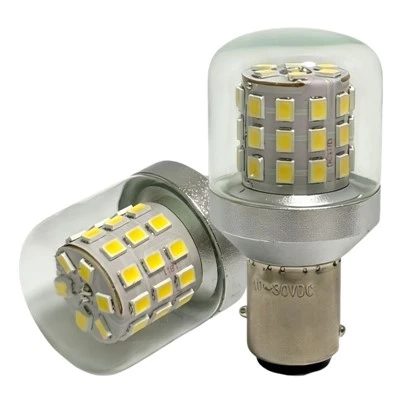
First, let’s start with the basics: what is a T20 bulb, anyway? The “T” stands for tubular, meaning its shape is a straight cylinder, and the “20” refers to its diameter in eighths of an inch—so a T20 is 2.5 inches wide. That compact, consistent shape is the foundation of its biggest advantages, especially in applications where space is at a premium. For automotive use, most factory reverse lights, turn signals, and brake lights rely on T20 bulbs because car manufacturers design their light housings to exact dimensions to reduce drag and improve aerodynamics. A bulb that’s too wide won’t fit inside the housing, leaving gaps that can let moisture seep in and cause electrical issues; a bulb that’s too narrow might rattle around, leading to vibration damage or uneven light output. I’ve seen customers try to force a larger bulb into a 20-millimeter automotive socket, only to end up with a cracked housing or a bulb that burns out in a month because it can’t dissipate heat properly. The T20’s precise 2.5-inch diameter eliminates that guesswork, making it a plug-and-play solution for almost any modern vehicle. For residential users, that compact size makes T20 bulbs perfect for tight spaces: think under-cabinet kitchen lights, vanity mirrors, or vintage desk lamps that don’t have room for bulky A19 bulbs. Unlike oversized incandescent bulbs that cast light unevenly or take up too much space, T20 bulbs fit seamlessly into small fixtures without sacrificing brightness.
Speaking of heat dissipation, that’s another key advantage of the T20’s tubular design. Bulbs generate heat as a byproduct of producing light, and if that heat can’t escape, it shortens the bulb’s lifespan or even becomes a fire hazard. The T20’s cylindrical shape has a larger surface area than equivalent wattage non-tubular bulbs, which allows heat to radiate away more efficiently. For high-intensity applications like LED brake lights, where bulbs can run hot with constant on/off cycles, that extra surface area makes a huge difference. I work with a lot of custom car builders who used to go through a new brake light bulb every few months before switching to T20 LED bulbs. Now, many of them tell me their T20s last two to three times longer because the tubular design keeps temperatures 15-20 degrees cooler than the T10 bulbs they were using before. That heat advantage also translates to residential use: in kitchen under-cabinet fixtures, which are often installed above stovetops and near warm appliances, T20 bulbs don’t overheat even during hours of continuous use. I’ve had customers tell me their old A-series bulbs would get so hot that the plastic fixture cover would warp, but their T20s stay cool enough to touch even after 12 hours of operation. That not only extends the bulb’s life but also makes the fixtures safer, especially in busy kitchens where people might brush against the lights accidentally.
Energy efficiency is another big draw, and modern T20 bulbs (especially LED) deliver far more light per watt than traditional incandescent or halogen T20s. A standard incandescent T20 bulb uses 21 watts to produce around 250 lumens of light, while a T20 LED bulb uses just 3-5 watts to produce the same amount of light. That might not sound like much at first, but multiply that by the number of bulbs in a vehicle—most cars have 4-6 T20 bulbs for signals, reverse lights, and brakes—and you’re looking at a huge difference in fuel efficiency. The average car’s alternator has to work harder to power incandescent bulbs, which uses extra fuel. A customer who switches all their car’s T20 bulbs to LED can save up to 10 gallons of gas a year, according to the Department of Energy’s lighting efficiency data. For residential users, the savings add up too: if you have 8 T20 under-cabinet lights, switching from incandescent to LED T20s can save you about $15 a year on your energy bill, and that’s just for one fixture in a home with multiple rooms. I’ve had small business owners who use T20 bulbs in their retail display cases tell me they recouped the cost of the LED bulbs in less than two months from lower electricity bills. The compact T20 design also means LEDs can be packed tightly without overlapping, so display cases get even, consistent light without hot spots that can fade merchandise.
Durability is where T20 bulbs really shine, especially compared to traditional alternatives. The tubular shape is sturdier than the round shape of A-series bulbs, which are more prone to breaking if dropped or jostled. For automotive use, that’s a game-changer: potholes, rough roads, and vibration from the engine can make regular bulbs crack or shift, but T20s stay secure in their sockets. Most T20 bulbs (particularly LED variants) also don’t have fragile filaments, which are the part that burns out in incandescents. I’ve had a customer who was driving a semi-truck for cross-country routes tell me their T20 LED reverse lights never break, even when they’re bouncing over dirt roads for hours. Before switching to our T20 bulbs, they were replacing three to four bulbs a month that would break mid-drive. For residential use, T20 bulbs are often made with shatter-resistant glass or plastic housings, so they’re safe to use in high-traffic areas like kids’ bedrooms or busy hallways where accidents happen. Unlike halogen bulbs, which can explode if they’re touched with bare hands (the oil from skin causes hot spots that crack the glass), T20 LED bulbs don’t have that risk, making them a safer choice for families.
Wait, but some people might argue that T10 bulbs are cheaper, right? I get that cost is a big factor, but it’s important to look at total cost of ownership, not just the upfront price. A T10 incandescent bulb might cost $1.50, but it only lasts a few months, while a T20 LED bulb costs $8-$10 and lasts 10-15 years. Over time, the T20 works out to be way more affordable. Plus, many T10 bulbs don’t fit modern automotive sockets correctly, so you might end up modifying the housing or dealing with flickering lights that can get you pulled over in some states. As a supplier, we always make sure to explain that tradeoff to new customers: yes, T20 bulbs cost a bit more upfront, but the savings in replacements, energy, and repairs add up quickly. For example, a customer who uses T20 bulbs in their restaurant’s outdoor sign last year told me they saved over $200 in bulb replacements and energy costs compared to the T10 bulbs they used before. The T20s were a perfect fit for their sign’s narrow housing, so no modifications were needed, and they haven’t had to replace a single bulb in 18 months.
Another underrated advantage is versatility. T20 bulbs aren’t just for cars and under-cabinet lights—they’re used in everything from motorcycle turn signals to marine navigation lights, industrial equipment, and even Christmas light displays. Their compact size and standardized diameter mean they fit a huge range of fixtures across industries. We’ve had customers use T20 bulbs for custom grow lights, where the narrow shape fits into shelf-mounted fixtures without blocking airflow to plants, and for security cameras, where the small size doesn’t interfere with the camera’s field of view. That versatility means if you’re a hobbyist or a small business, you don’t have to source different bulbs for different projects—T20 works for almost any application where a tubular, compact light is needed.
Of course, no product is perfect, and I always tell customers that T20 bulbs aren’t the right choice for every situation. If you need a large, wide bulb for a floor lamp, an A19 bulb is still better. But for the majority of tight-space, high-vibration, or high-heat applications, T20 is unmatched. That’s why, over the 12 years I’ve been supplying T20 bulbs, we’ve built a loyal base of customers—from local mechanics who come in weekly for replacements to custom car builders who order bulk for their projects, to homeowners who switch out all their old bulbs for T20 LEDs.
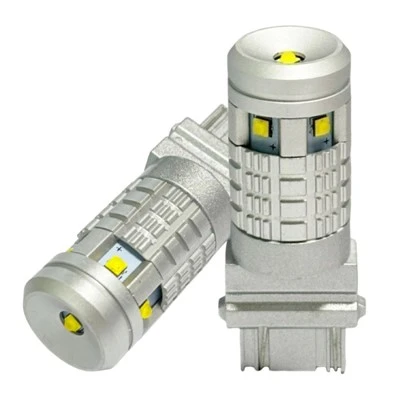
If you’re tired of bulbs that burn out too fast, don’t fit right, or cost you money in energy and replacements, it’s worth giving T20 bulbs a try. We carry a full line of T20 bulbs—from halogen for traditional automotive use to energy-efficient LED for residential and commercial applications, all tested to meet industry standards for durability and brightness. Whether you’re a mechanic needing a quick replacement, a homeowner upgrading your kitchen lights, or a business owner looking to cut energy costs, we can help you find the right T20 bulb for your needs. To discuss bulk ordering, custom specs, or any questions about T20 bulbs, get in touch with our team today to schedule a time to chat about your project.
G4 Bulb References
U.S. Department of Energy. (2023). Energy Efficiency in Lighting: Residential and Automotive Applications. Lighting America. (2022). Tubular Bulb Design and Performance Standards. Society of Automotive Engineers (SAE). (2021). Automotive Lighting Component Specifications for T20 Bulbs. National Fire Protection Association (NFPA). (2020). Electrical Safety Guidelines for Low-Heat Lighting Fixtures.
BULBPLAN Co., Ltd.
As one of the most professional t20 bulb manufacturers and suppliers in China, our products have good reputation in the market. Please feel free to wholesale cheap t20 bulb for sale here and get pricelist from our factory. Quality products and reasonable price are available.
Address: No. 86 Zhongli Road, Nancheng Street, Dongguan City, Guangdong Province
E-mail: Alex@bulbplan.com
WebSite: https://www.nicebulbs.com/
