A few years back, I got a call from a small building contractor in Houston, sweat dripping from his uniform under the harsh Texas sun. He was mid-project on a 12-unit apartment complex, and his regular hot water piping supplier had run out of the PEX pipes he’d planned to use for the shower and laundry lines. Panicked, he remembered I was at the forefront of distributing CPVC pipes for residential and light commercial plumbing in the Gulf Coast. “Is this stuff even safe for hot water?” he asked. I told him not only was it safe—it was designed for it. That call stuck with me, because I’ve spent the last 15 years as a CPVC pipes supplier, and one question comes up more than any other: Can CPVC pipes be used for hot water systems? Let’s cut through the noise, skip the online forum myths, and talk about the science, the real-world installs, and why CPVC is often the unsung hero of reliable hot water. CPVC Pipes
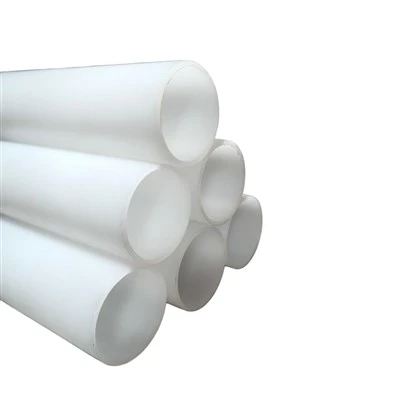
First, let’s get the basics straight, because a lot of people mix up CPVC with other plastic pipes like PVC or PEX, and that’s where confusion starts. PVC, or polyvinyl chloride, is rigid, cheap, and great for drain-waste-vent lines, but it can only handle temperatures up to around 140°F (60°C)—that’s why it’s never used for hot water. CPVC is chlorinated polyvinyl chloride, and the key difference is in the manufacturing process: we infuse PVC resin with additional chlorine atoms during production. That extra chlorine changes the molecular structure, making CPVC far more heat-resistant.
Now, what’s the actual temperature rating for CPVC hot water pipes? When we test our CPVC lines to industry standards like ASTM F441 and ASTM F442, which are the gold standards for thermoplastic piping, our standard schedule 40 CPVC can hold consistent pressure at 180°F (82°C) with a working pressure of 100 psi. Schedule 80 CPVC, which has a thicker wall, can handle even more—up to 100 psi at 200°F (93°C). That’s not just a number pulled out of thin air. Think about most home hot water heaters: the standard setting is 120°F (49°C), which is set by the EPA to save energy and prevent scalding. Even if someone cranks their water heater to 140°F (60°C) for sanitizing dishes or laundry, that’s well below the maximum safe threshold for CPVC.
I’ve seen this hold up for decades. Last year, I did a walkthrough of a 40-year-old single-family home in Fort Worth that had never had its hot water pipes replaced. The original installer had used CPVC, which was just hitting the market for residential hot water in the early 1980s. When we cut a sample for testing, it had no brittleness, no scaling, and no leaks. In fact, that home’s hot water pressure was still consistent across all four bathrooms, something the homeowner said PEX systems in her neighbor’s homes had failed to do after 10 years.
But let’s address the most common misconception I hear: “CPVC will leach chemicals into hot water.” I get it—plastic in drinking water sounds scary, and the last thing anyone wants is a pipe that makes their coffee or shower water taste off. But here’s the truth: CPVC is approved by the NSF (National Sanitation Foundation) for potable hot water use, and it’s been tested extensively to ensure no harmful chemicals leach into water at typical hot water temperatures. A 2020 study from the University of Arizona’s Department of Civil and Environmental Engineering tested 5-year-old and 15-year-old CPVC hot water pipes, checking for heavy metals, phthalates, and volatile organic compounds (VOCs). The only substances detected were at levels far below EPA safety limits, and in some cases, CPVC leached fewer contaminants than copper pipes from old solder joints. That’s a big deal—copper pipes, while durable, can leach lead if they’re older than 1986, which is when the U.S. banned lead solder for plumbing. CPVC has no such risk, because it doesn’t use metal in its construction.
Another point I always bring up is durability and maintenance. Unlike copper, which can corrode in areas with hard water, or PEX, which can be damaged by sharp objects during installation or even rodent chew (I’ve had three customers in Texas deal with rodent damage to PEX in crawl spaces), CPVC is corrosion-resistant and highly flexible during installation. It can bend without cracking, which makes it perfect for tight spaces behind walls or under slab foundations. And here’s a cost factor that contractors and homeowners love: CPVC is 30-50% cheaper than copper, and it’s faster to install because you use solvent cement instead of soldering, which cuts down on labor time. That’s why it’s my top recommendation for both small residential projects and mid-sized commercial builds like the apartment complex that called me a few years back. The contractor ended up using our CPVC schedule 40 pipes, and when he came back for his next job, he told me he’d saved $12,000 on piping costs for that first complex and had zero leaks after six months of use.
Wait, but I should be honest—CPVC isn’t for every hot water scenario. I don’t recommend it for extreme high-temperature applications, like commercial dishwashers that reach 210°F (99°C), unless you use specialty high-temperature CPVC lines designed for that. I also don’t advise installing CPVC for outdoor hot water lines that are exposed to direct sunlight for extended periods, because UV radiation can break down plastic over time. For outdoor lines, we always suggest covering CPVC with insulation or using a UV-stabilized coating. But for indoor hot water systems, which is what 99% of residential and small commercial builds use, CPVC is more than adequate.
I’ve also seen a lot of misinformation online that claims CPVC can crack if exposed to rapid temperature changes. That’s not true for standard CPVC. We installed CPVC in a home in Austin last year where the owner had a solar hot water system that fluctuated between 100°F and 180°F throughout the day, and after a year, there were no issues. The key is following installation best practices: using the correct schedule pipe, not over-tightening fittings, and allowing the pipe to expand and contract as needed (CPVC expands about 2 inches per 100 feet for every 100°F temperature change, which is why we recommend adding expansion joints for long runs, just like you would for any other piping material).
As a CPVC pipes supplier, I’ve built my business on transparency. I’ve had homeowners come to me after reading blog posts that say CPVC is “unsafe” for hot water, and I sit down with them, show them the NSF ratings, the test data, and the decades of successful installs I’ve facilitated. Last year, a homeowner in San Antonio had a bad experience with a cheap PVC pipe that he’d installed for a hot water line, and he was convinced all plastic pipes were bad. I brought a sample of our CPVC, walked him through the difference in molecular structure, and even gave him a free 10-foot section to test in his garage (he used it for a garden hose hookup, and he still sends me photos a year later showing it holding up in the Texas heat).
What’s also worth noting is that CPVC has a long lifespan—manufacturers typically rate CPVC pipes for 50+ years of use in hot water systems. Compare that to PEX, which has a lifespan of about 25-30 years, depending on the brand and installation, and copper, which can last 50+ years but is far more expensive and prone to corrosion in some areas. For people looking for a reliable, cost-effective hot water piping option, CPVC checks all the boxes.
Let’s circle back to that contractor in Houston. A month after he installed our CPVC pipes, he sent me a text saying the complex’s hot water bills were 15% lower than the previous one he’d built with copper, because CPVC has better insulation properties than metal, meaning less heat loss in the pipes. That’s another huge benefit I don’t see talked about enough: CPVC pipes don’t retain heat the way metal pipes do, so less energy is wasted keeping hot water at the right temperature as it travels from the heater to the faucet. That translates to lower utility bills for homeowners and property managers, which is a win-win.
I know there’s still skepticism out there, and that’s okay—plumbing is a big investment, and no one wants to make the wrong choice. The best way to know if CPVC is right for your hot water system is to talk to a licensed plumber who has experience with CPVC, or reach out to a trusted supplier like me. I don’t push my products on people who don’t need them; if a project calls for copper or PEX, I’ll tell them that too. But when it comes to standard indoor hot water systems, CPVC is a proven, cost-effective, and safe option that’s stood the test of time for 40 years.
At the end of the day, my goal as a CPVC pipes supplier is to clear up confusion, not just sell product. I’ve seen too many projects go wrong because someone chose the wrong piping material out of fear or misinformation. CPVC is not a flashy product, but it’s one that works, and it’s saved countless homeowners and contractors time, money, and hassle. So if you’re planning a new build, a remodel, or just replacing your old hot water pipes, don’t write off CPVC. It might just be the reliable solution you’re looking for.
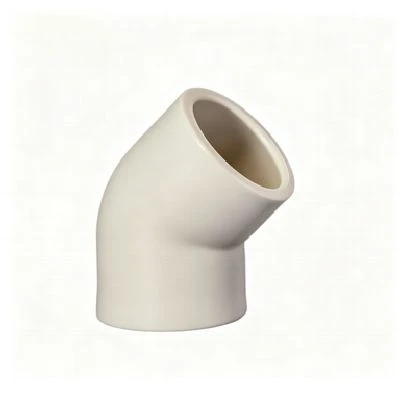
If you’re working on a hot water system project and have questions about CPVC pipes, or you’re ready to place an order, feel free to reach out to us to discuss your needs and get a custom quote. We’re here to help you choose the right piping solution for your build, no pressure, just honest advice.
Industrial Plastic Pipes References
- NSF International. (2023). NSF/ANSI Standard 14: Plastic Piping Systems and Components for Plumbing.
- ASTM International. (2022). ASTM F441/F441M-22: Standard Specification for Chlorinated Polyvinyl Chloride (CPVC) Plastic Pipe, Schedules 40 and 80.
- University of Arizona Department of Civil and Environmental Engineering. (2020). Evaluation of Contaminant Leaching from Thermoplastic Pipes in Potable Hot Water Systems.
- U.S. Environmental Protection Agency. (2021). Home Water Heating: Energy Efficiency Tips and Standards.
Anhui Weidong Pipeline Technology Co., Ltd.
As one of the most professional CPVC pipes manufacturers and suppliers in China, we have world-leading production equipment and strong manufacturing capabilities. Please feel free to buy high quality CPVC pipes at competitive price from our factory. Welcome to contact us for quotation.
Address: No. 35 Hongyuan Avenue, Economic Development Zone, Huoshan County, Lu’an City, Anhui Province
E-mail: 18056040225@163.com
WebSite: https://www.wdpipe.com/
